Cover-Up Tattoo Mistakes to Avoid
Updated
The Ombra Tattoo team · Written by the Ombra product team — practical guidance for planning tattoo ideas, placement, and cover-up questions.
The most common cover-up tattoo mistakes all come from treating a cover-up like an ordinary tattoo. The big ones are: choosing the design before finding out whether it can cover anything, insisting the new piece stay the same size as the old one, picking something light, fine-lined or colorful over dark ink, taking it to a general tattooist instead of someone who covers regularly, ruling out laser fading before anyone has looked at your tattoo, and shopping on price. After the appointment, a few more do real damage — judging the result on the day it was done rather than once it has healed, and skipping the touch-up session. What these have in common is that none of them are the artist's to make: every one is decided by the client, and most of them before the machine is ever switched on.
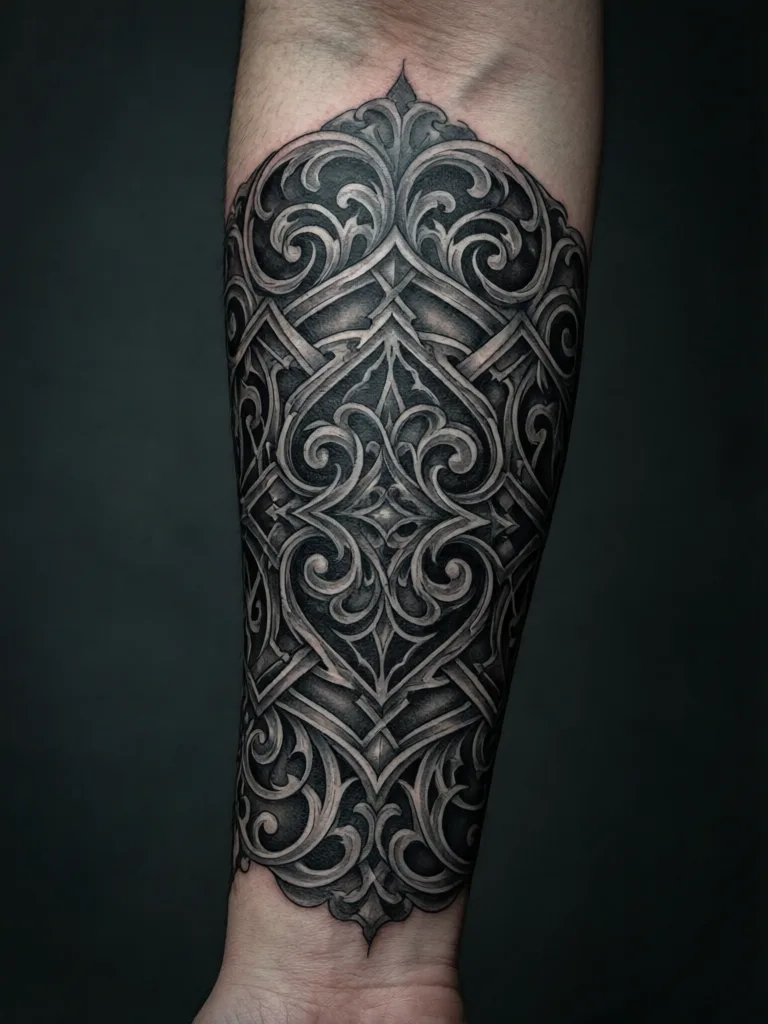
Search for cover-up fails and you will find plenty of them, usually with the blame pointed at the artist. Some of that is fair. But a striking number of cover-ups that go wrong were decided before anyone picked up a needle — in what the client asked for, what they refused, and how quickly they wanted it done. Those are the mistakes worth knowing about, because they are the ones you control. Here they are in the order you will meet them.
Mistakes made before you book
1. Falling in love with a design before checking it can cover
This is the root of most of the others. People arrive with a saved image and treat it as the brief, when the actual first question is what your specific tattoo will let you have. How dark it is, how much it has faded, what colors are in it and how big it is decide the range of designs available to you — our post "Will My Tattoo Cover Up?" works through those factors one at a time. Answer that first, then choose. Doing it the other way round means either a disappointing consultation or an artist agreeing to something that will not work.
2. Taking it to whoever is available
Covering old ink is a distinct skill: reading what is underneath, designing around its darkest areas, and knowing what will still hold up once it settles. A talented artist who mostly does fresh work on blank skin is not automatically good at it. This includes the artist who did the original — familiarity with your tattoo is not the same as experience burying one. What a cover-up portfolio has to show, and what to ask at the consultation, is the subject of "How to Choose a Tattoo Artist for a Cover-Up", linked below.
3. Ruling out fading before anyone has looked at it
A few laser sessions to lighten a dark original can widen the range of designs enormously — sometimes it is the difference between a blackout band and the piece you actually wanted. It costs time and money and it is not always the right call, but deciding against it before an artist has seen your tattoo closes a door for no reason. What it involves, and when it is not worth doing, is covered in "How to Fade a Tattoo for a Cover-Up".
Mistakes made when the design is on the table
4. Insisting it stay the same size
To break an old outline up, a cover-up has to extend past its edges — a design confined to the same footprint has nothing to work with. Holding the new one to the old footprint is the single most reliable way to end up needing a second cover-up, because a design squeezed onto the same area has to rely on darkness alone to do a job that wants darkness and space. If an artist tells you it has to get bigger, that is not an upsell.
5. Asking for fine-line, minimal or watercolor work over old ink
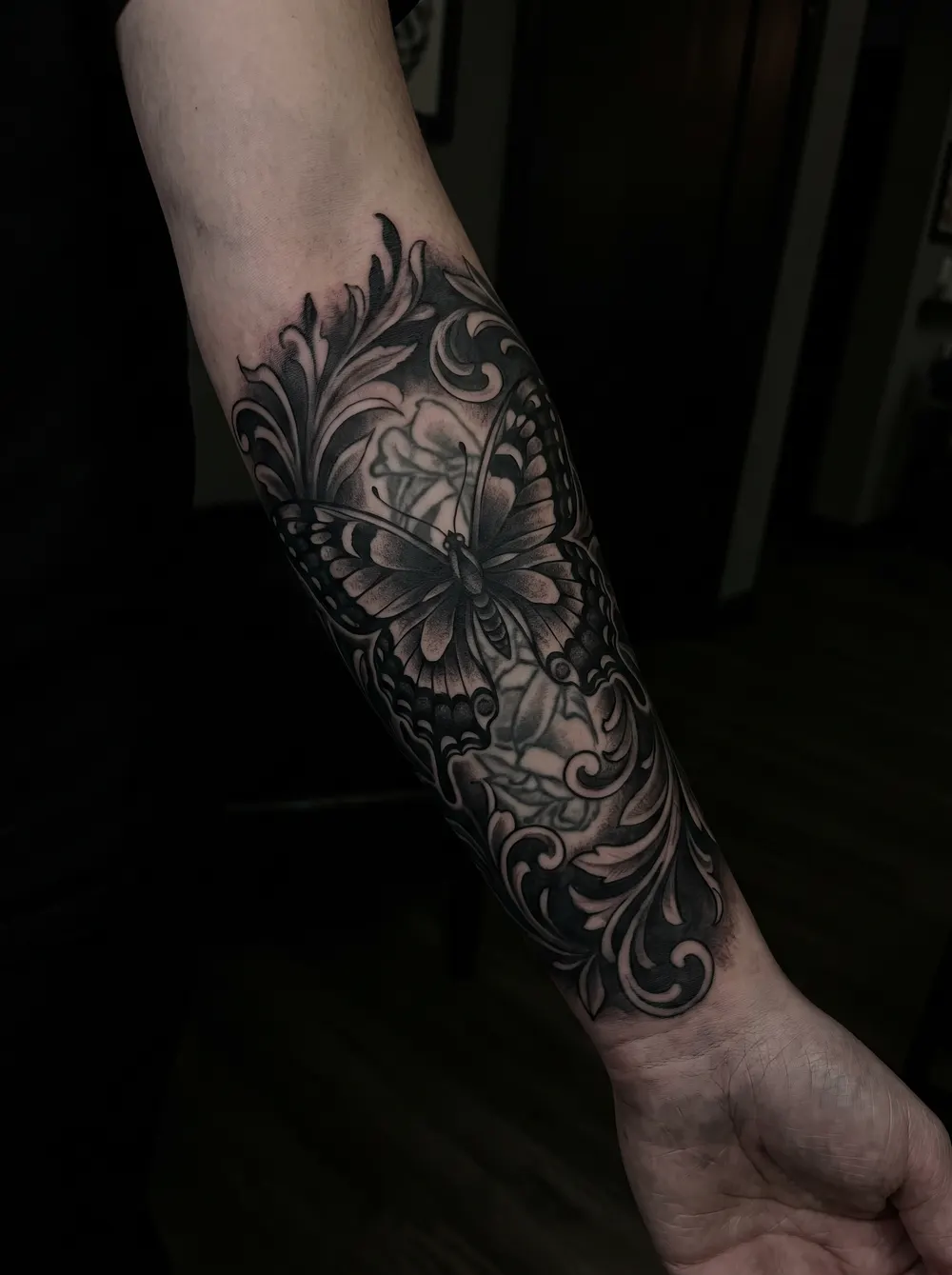
Anything that leaves skin open between its lines lets the old tattoo show through in exactly those gaps. That is a constraint on the style, though, not on the subject — a delicate subject can work perfectly well if it is built densely and surrounded by heavy filler. Which designs cover well and which do not is the whole of "Best Cover-Up Tattoo Designs".
6. Holding out for color
Color over existing dark ink is unpredictable: whatever is underneath mixes with whatever goes on top, and the result is often muddier than the swatch you were picturing. Plenty of cover-ups end up black-and-grey for that reason, even when the client wanted color. Some artists can work color in over lighter or well-faded originals — it is a question for them about your tattoo, not a rule to argue with in the abstract.
7. Choosing on price
Picking the cheapest quote treats a cover-up as a commodity, and it is the one purchase in tattooing where the discount is most likely to be coming out of the thing you are paying for — the time and the density that make it work. What a cover-up realistically costs, and what actually drives the number, is the subject of "Tattoo Cover-Up Cost".
Preview a cover-up on your skin → Get the appMistakes made after it is done
8. Judging it on day one
A tattoo is at its most dramatic on the day it is done, and it settles over the following weeks into something slightly quieter — a couple of weeks on the surface, and more like a month to finish. That is normal, and it is the gap that makes people think a cover-up has failed when it has not. Our post "Cover-Up Tattoo Before and After" is about that difference specifically, including how to read the day-one photos everyone else is posting.
9. Skipping the touch-up
Cover-ups commonly need a second pass once healed, to reinforce any area that settled unevenly — over old ink there is more to go unevenly. Many artists build that session into the plan. Not going back is how a small thin patch becomes the place the old tattoo eventually shows through, which is the ghosting our post "Do Cover-Up Tattoos Show the Old One?" explains.
10. Treating aftercare as optional
A cover-up is usually larger, darker and more heavily worked than a fresh tattoo of the same subject, which means more trauma to the skin and a healing process with less margin for error. Ink lost to a scab picked off a dense black area is ink the design was counting on. The specifics are in "Cover-Up Tattoo Aftercare".
The mistake underneath all of them
Every item on this list is a version of the same error: expecting a cover-up to behave like a normal tattoo. A fresh tattoo starts from blank skin and can be any size, any weight, any palette you like. A cover-up starts from a constraint that does not negotiate — the old ink is permanent, and the new design has to out-weigh it. People who accept that early tend to be happy with the result, because they chose within the real range of options. People who spend the process pushing against it tend to end up with the smallest, lightest, cheapest version of a cover-up that the constraint would allow, which is precisely the one most likely to need doing again.
FAQ
What is the most common cover-up tattoo mistake?
Wanting the new tattoo to stay the same size as the old one. A cover-up needs to extend past the original's edges to break up its outline, and a design confined to the same footprint has to do the whole job with darkness alone. It is the mistake most often behind a cover-up that has to be redone.
Can you cover up a cover-up tattoo?
Usually yes, but it is a harder brief than the first one was: there are now two layers of ink in the skin, so the third design has to be bigger, darker and denser again. Many artists will suggest laser fading first in this situation. It is doable, and it is a good reason to get the first cover-up right.
Can a bad cover-up be fixed?
Often, yes — by a touch-up if it is a matter of thin or uneven areas, by reworking and extending the design, or by fading it with laser and starting again. Which route applies depends on why it went wrong, so it is worth a consultation with a cover-up specialist rather than a decision made from photographs.
Is it a mistake to go back to the artist who did the original tattoo?
Not automatically, but knowing your tattoo is not the same as being experienced at covering one. Judge them on the same evidence you would judge anyone else: healed cover-up work in their portfolio, on originals as dark as yours.
Do I have to fade my tattoo with laser before covering it?
Not always. Plenty of tattoos can be covered as they are. Fading is worth considering when the original is very dark or when it is the only way to get the design you actually want. It is a two-part decision — whether the design needs it is your artist's call, and whether your tattoo and skin can be lasered at all is a qualified clinician's — but the mistake is ruling it out before either of them has looked.
Related guides
Ombra Tattoo
AI cover-up and design concepts