How Much Does a Tattoo Cover-Up Cost?
Updated
The Ombra Tattoo team · Written by the Ombra product team — practical guidance for planning tattoo ideas, placement, and cover-up questions.
There is no reliable universal price for a tattoo cover-up. The quote depends on the new piece's size, density, placement, session count, local market and the old ink underneath. Define the approximate direction first, then compare scoped quotes from cover-up artists. An Ombra preview can help communicate that direction, but it cannot estimate artist time or cost.
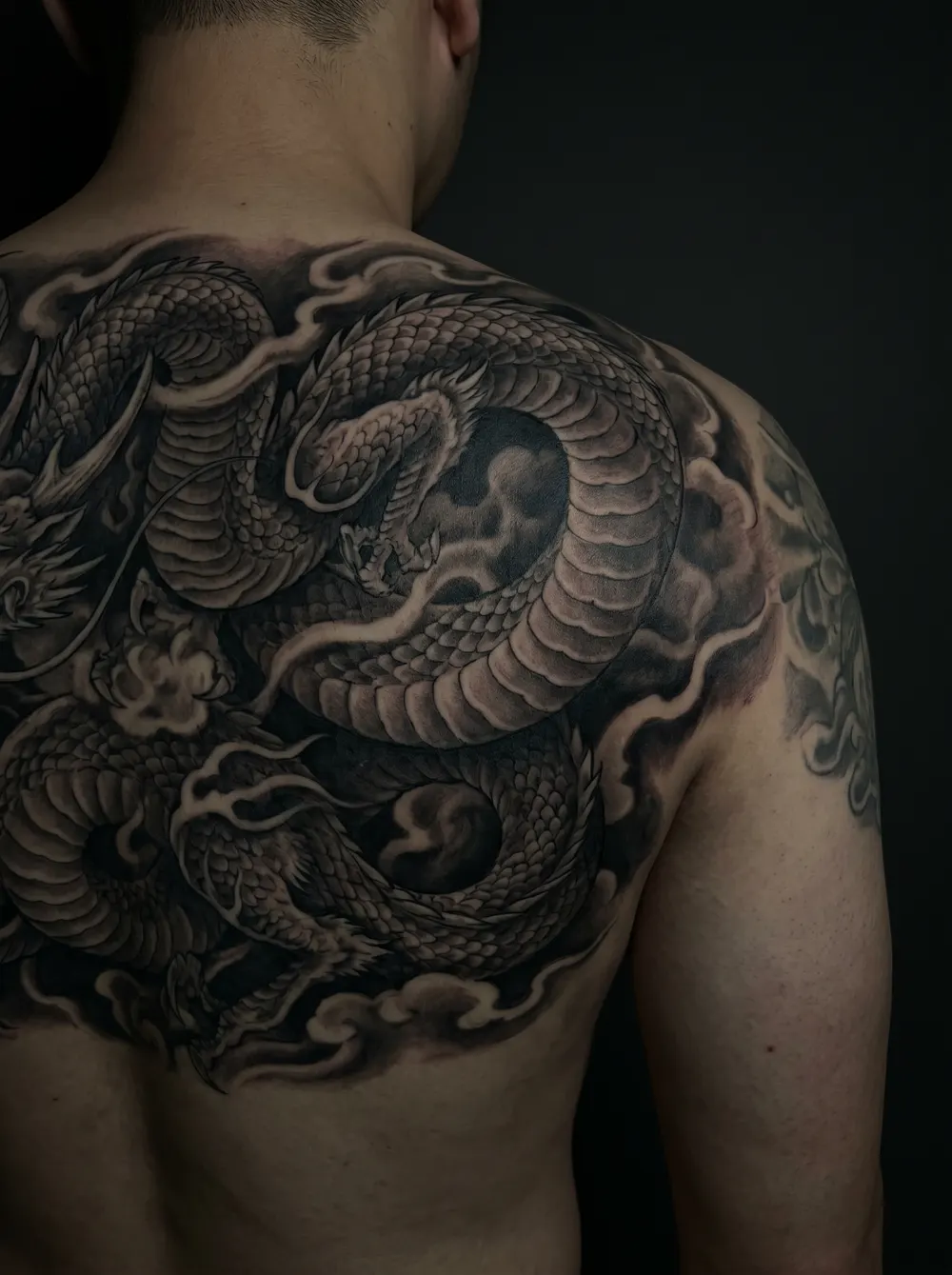
A useful cover-up budget starts with a defined project, not a price copied from another person's tattoo. Send the artist an unedited photo of the existing ink, its measurements, your preferred direction and the largest area you would accept. This guide is an editorial checklist for comparing written estimates. We have not collected a representative studio-price dataset, so we do not publish an average or promise a price for your tattoo.
What can make a cover-up quote different?
Existing ink adds constraints to the design brief. Ask the artist how they would adapt the composition, whether your proposed size is workable and which parts of the plan affect their estimate. More planning or additional sessions may change the price, but a cover-up is not automatically more expensive than every new tattoo of the same size. Compare the actual scope and billing terms rather than applying a universal surcharge.
What actually drives the price
- Proposed dimensions — give width and height, plus the maximum area you are willing to use; a body-part name alone leaves the scope unclear.
- Existing ink — supply a clear original photo so the artist can assess the old lines, rather than relying on an AI image that may hide them.
- Design and color — identify the details you want to keep and where you are flexible; ask which choices change the quoted work.
- Placement — ask whether the exact body area changes the artist's plan or expected time.
- Sessions and revisions — request the expected number, estimated duration and what happens if additional work is needed.
- Artist and studio terms — confirm the currency, billing model, minimum charge and what the deposit covers.
How to read an hourly, session or fixed quote
For an hourly estimate, multiply the quoted hourly rate by the estimated billable hours, then add separately listed charges. For a session or day rate, ask how long each booking lasts and how many bookings the estimate includes. For a fixed price, request the included design, dimensions and work in writing. Do not multiply an hourly rate by a session count: one session can contain several billable hours. In every model, ask what changes would require a revised quote.
Build a quote comparison sheet
- Project scope: original tattoo measurements, proposed new dimensions and agreed design direction.
- Tattoo work: billing model, rate, estimated hours or sessions, and whether the total is an estimate or a fixed quote.
- Deposit: amount, whether it counts toward the total, and the cancellation or rescheduling terms.
- Extras: design revisions, touch-ups and any separately assessed treatment; mark each as included, excluded or still unknown.
Put each studio's answers beside the same brief. A lower headline rate does not establish a lower total if the proposed hours or included work differ. If one quote assumes a much larger design, ask why before comparing totals. Keep unresolved items visible instead of treating a missing price as zero.
Does laser fading add to the total?
If laser fading is being considered, request a separate assessment and cost estimate from a qualified provider. Ask what treatment and timing they recommend for your case and coordinate that plan with the tattoo artist. Do not infer the need for laser, a session count or a result from the darkness of a photograph or an AI preview. Include a treatment cost in your budget only once its scope is clear.
How to budget for a cover-up without overpaying
- Send the same unedited photos, measurements and design brief to each artist you ask for a quote.
- Ask to see relevant healed work and discuss how the artist would approach your existing tattoo.
- Confirm whether design work and touch-ups are included, and how extra time is authorized and charged.
- If a proposed plan exceeds your budget, ask which changes are feasible rather than simply shrinking the design yourself.
- If you use Ombra for a visual reference, budget for the app separately: downloading is free; generating designs and photo previews requires payment.
Before you pay for a consultation
You do not need an AI preview to ask for a consultation. Original photos, measurements and a few visual references are a useful starting point. If you choose to generate a concept in Ombra, bring it alongside the unedited original, not as proof that the old ink can be covered. The artist still needs to assess feasibility and quote the actual work; the app cannot calculate tattoo time or cost.
FAQ
Is a cover-up more expensive than a brand-new tattoo of the same size?
Not necessarily. Ask which design, planning or session requirements change this specific estimate. A general cover-up surcharge does not describe every project.
How much does a small cover-up cost?
A small footprint alone does not establish a price or session count. Send the artist measurements, original photos and the intended design direction, then request a scoped estimate.
Does removing a tattoo cost more than covering it?
Compare separately assessed plans for your tattoo, including the expected work and any unresolved costs. Neither option is always cheaper, and an app preview cannot price either service.
Why do artists charge more for cover-up work specifically?
Existing lines may require additional planning or work. Ask the artist to explain the actual scope and billing basis rather than assuming all cover-ups carry the same extra charge.
Can I get an accurate price without visiting a studio first?
Ask whether the artist can provide a written photo-based estimate and what still needs an in-person assessment. An Ombra concept is optional; downloading the app is free, but generation and photo previews require payment.
Related guides
Ombra Tattoo
AI cover-up and design concepts