Cover-Up Tattoo Aftercare
Updated
The Ombra Tattoo team · Written by the Ombra product team — practical guidance for planning tattoo ideas, placement, and cover-up questions.
Cover-up tattoo aftercare depends on the covering, placement, skin, session, and the artist's written instructions. Keep the area protected from avoidable contamination, friction, and soaking as directed; use only the cleaning method and product the artist recommends. Do not pick or scratch flaking skin. There is no universal wash frequency, healing calendar, or touch-up schedule, so ask the studio when the next step is unclear.
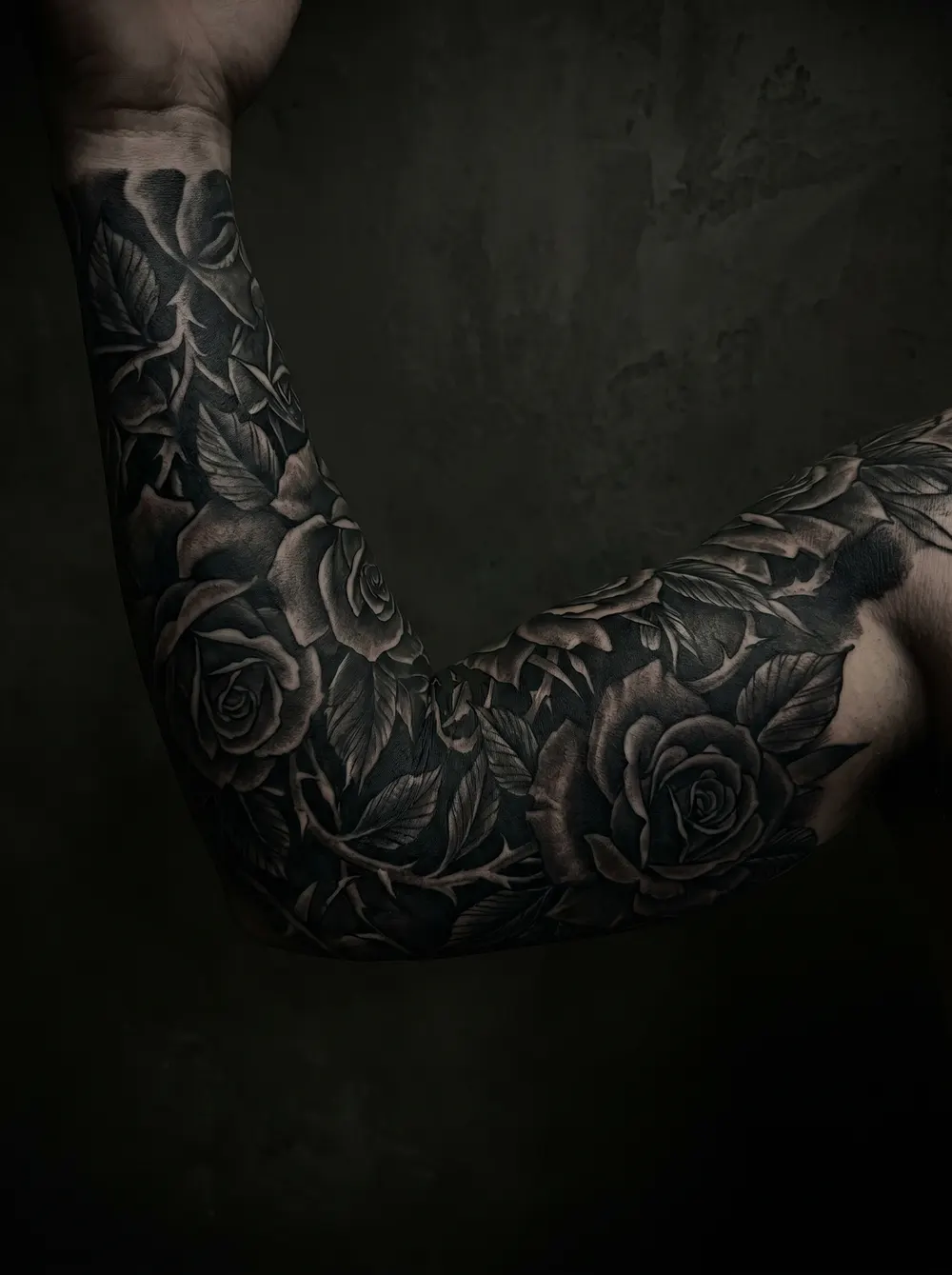
A cover-up is a major commitment, and the healing period deserves the studio's specific instructions. The covering, placement, session, skin, bandage, products, friction, and activity all affect what you should do next. Care cannot guarantee that old ink will stay invisible, but avoiding picking and following the written plan gives the artist the clearest basis for later review.
Is cover-up aftercare different from normal tattoo aftercare?
A cover-up may involve a dense design, but the care plan still depends on the actual session and covering. Follow the artist's instructions for cleaning, product, friction, soaking, and activity; do not infer extra trauma or a fixed healing course from the word cover-up. Never pick or scratch the area while it changes.
Cover-up tattoo aftercare, step by step
Follow the wrap instructions to the letter
Your artist will send you home in either a standard bandage or an adhesive healing film. Leave it on for exactly as long as they tell you — that first covering protects the raw skin while it starts to close. If you're given a breathable film, it may stay on for a few days; a basic wrap usually comes off within hours. When in doubt, message the studio rather than guessing.
Wash it gently as instructed
Once the wrap is off, clean the tattoo with lukewarm water and a fragrance-free, gentle soap, using clean hands rather than a cloth. Lightly work off any weeping plasma, then rinse. Don't scrub, and don't hold it under a hard stream. Pat it dry with a clean paper towel or let it air-dry — never rub it with a bath towel, which is both abrasive and full of bacteria.
Moisturize with a thin layer
After it's dry, apply the amount and product your artist recommends. Do not improvise a thick or frequent layer because more product is not automatically better; follow the studio's written instructions and adjust only with their guidance if the skin feels uncomfortable.
Never pick, scratch, or peel the flakes
As the surface changes, flaking, tightness, or itch may occur, but timing and intensity vary by covering, placement, session, skin, and care. Do not pick or peel. If the appearance, pain, redness, warmth, discharge, or swelling concerns you, contact the studio and seek qualified medical advice when appropriate rather than diagnosing the stage online.
Keep it out of sun, water, and sweat
While it heals, follow the studio's instructions about soaking, bathing, pools, hot tubs, sea water, exercise, sweat, clothing, and sun. Timelines vary with the covering, placement, size, and skin. After healing, ask a qualified professional about sun protection suitable for your situation rather than treating one product or schedule as universal.
Watch for concerning changes, and ask when review is appropriate
The studio can explain which early surface changes are expected for the covering they used. Spreading redness, worsening pain or swelling, pus, foul smell, fever, or another concerning change needs prompt qualified medical advice. Discuss any touch-up only after the artist's stated healing and review point; it is not an automatic part of every cover-up.
What to avoid while a cover-up heals
- Picking, scratching, or peeling scabs and flakes — the fastest way to lift ink and expose the old tattoo.
- Soaking: baths, swimming, hot tubs, the sea. Showers are fine; submerging the tattoo is not.
- Direct sun and tanning beds on the fresh piece — UV fades new ink and can blur the coverage.
- Thick globs of ointment or heavily fragranced lotions and creams that clog and irritate the skin.
- Tight clothing or gym straps rubbing the area, and exercise that conflicts with the studio's written instructions.
- Re-wrapping it yourself for long stretches once the initial covering is off — healing skin needs air.
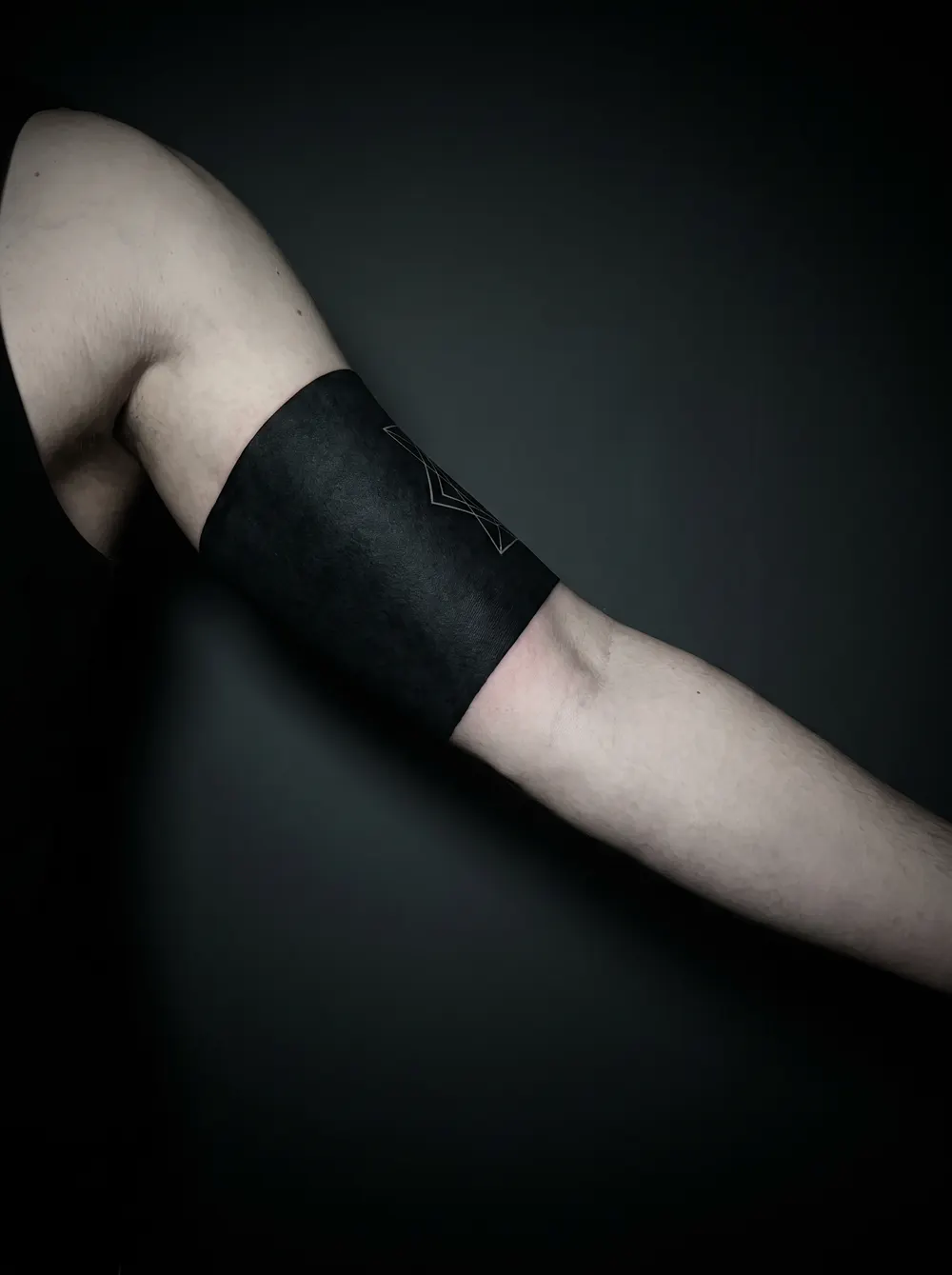
The thread running through all of it is patience. A cover-up needs the skin to settle before anyone can fairly assess the composition or discuss a touch-up. Follow the written plan, avoid picking and avoidable exposure, and keep the original source and studio contact available if the appearance concerns you.
Preview your cover-up on your skin → Get the appPlanning a cover-up before you sit down
Good aftercare planning starts before the needle does: ask how the covering, placement, size, clothing, work, exercise, and review timing affect the first days. If you are still deciding on a direction, Ombra can compare broad concepts on your own photo; it cannot confirm pigment coverage, healing, or whether a design is ready to tattoo.
FAQ
How is cover-up aftercare different from a normal tattoo?
The basic principles may overlap with other tattoos, but the covering, placement, session, skin, and studio instructions control the details. Do not assume a cover-up is automatically more traumatic, more tender, or more prone to flaking; ask the artist what applies to the actual work and never pick or scratch it.
Why does my cover-up look patchy or faded while it heals?
Surface changes can make a fresh tattoo look uneven, dull, tight, or different from the initial view, but photographs cannot establish whether a change is expected for your skin. Follow the artist's review point, do not pick, and contact the studio or qualified medical support if the appearance or symptoms concern you.
Can I go to the gym or swim after a cover-up?
Follow the studio's written timing for swimming, baths, hot tubs, exercise, sweat, and friction; those instructions vary with the covering and placement. When the guidance is unclear, ask before making plans rather than applying a fixed first-week rule.
How long does a cover-up take to heal?
Surface changes and deeper settling vary with the session, covering, placement, skin, and individual response. Keep following the artist's written plan and ask when the area can be reassessed; a touch-up is an artist decision after suitable healing, not an automatic step.
Will the old tattoo show through if I don't heal it properly?
It may remain perceptible for many reasons, including the original ink map, composition, skin, placement, healing, and later change. Picking or avoidable exposure can harm the new work, so follow the care plan; whether a concern needs touch-up, redesign, fading, or no further ink is an artist assessment after suitable healing.
Related guides
Ombra Tattoo
AI cover-up and design concepts