
cover a color tattoo
Updated
The Ombra Tattoo team · Written by the team behind the Ombra cover-up preview app — we look at real cover-up cases every day.
You can often cover a color tattoo, but the workable design depends on how dark, saturated, large, and faded the existing colors are. The new tattoo generally needs enough scale, contrast, texture, and strategically placed darker areas to absorb old shapes. Pale ink cannot simply erase strong pigment, so a cover-up specialist may recommend a different palette, a larger composition, or selective fading before tattooing.
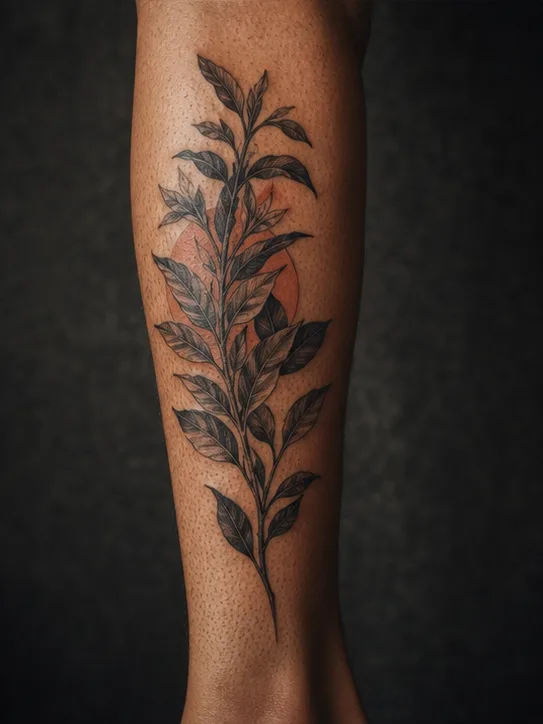
Color adds another set of constraints to a cover-up, but it does not automatically make the tattoo impossible to change. The artist must account for the old outline, the value of each color, uneven fading, and how the pigments may visually interact once healed. A soft yellow wash and a dense blue-green block do not present the same problem. The useful question is not whether color can be covered in general, but what structure this particular tattoo leaves available.
What makes a colored tattoo easier or harder to cover
- Dark outlines and saturated cool colors usually require more visual weight than pale, broken, or heavily faded pigment.
- A small isolated tattoo leaves more surrounding skin for a larger composition than a wide area of solid color.
- Clear gaps between old elements can become negative space or lighter texture in the new design.
- Scarring, raised skin, repeated retouching, or an earlier cover-up require in-person assessment before a plan is chosen.
- A flexible subject and palette give the artist more ways to place shadow, texture, and focal points where they are needed.
New color does not behave like opaque paint
Tattoo pigment sits in skin; a new light color does not form an opaque layer that reliably deletes a darker one underneath. Fresh photographs can also be misleading because swelling, surface shine, and dense new pigment temporarily make coverage look more complete. Healed results are the better evidence. Artists commonly use value contrast, repeated texture, strong silhouettes, and dark focal areas so the eye reads the new composition before noticing fragments of the old tattoo.
How artists build a workable color cover-up
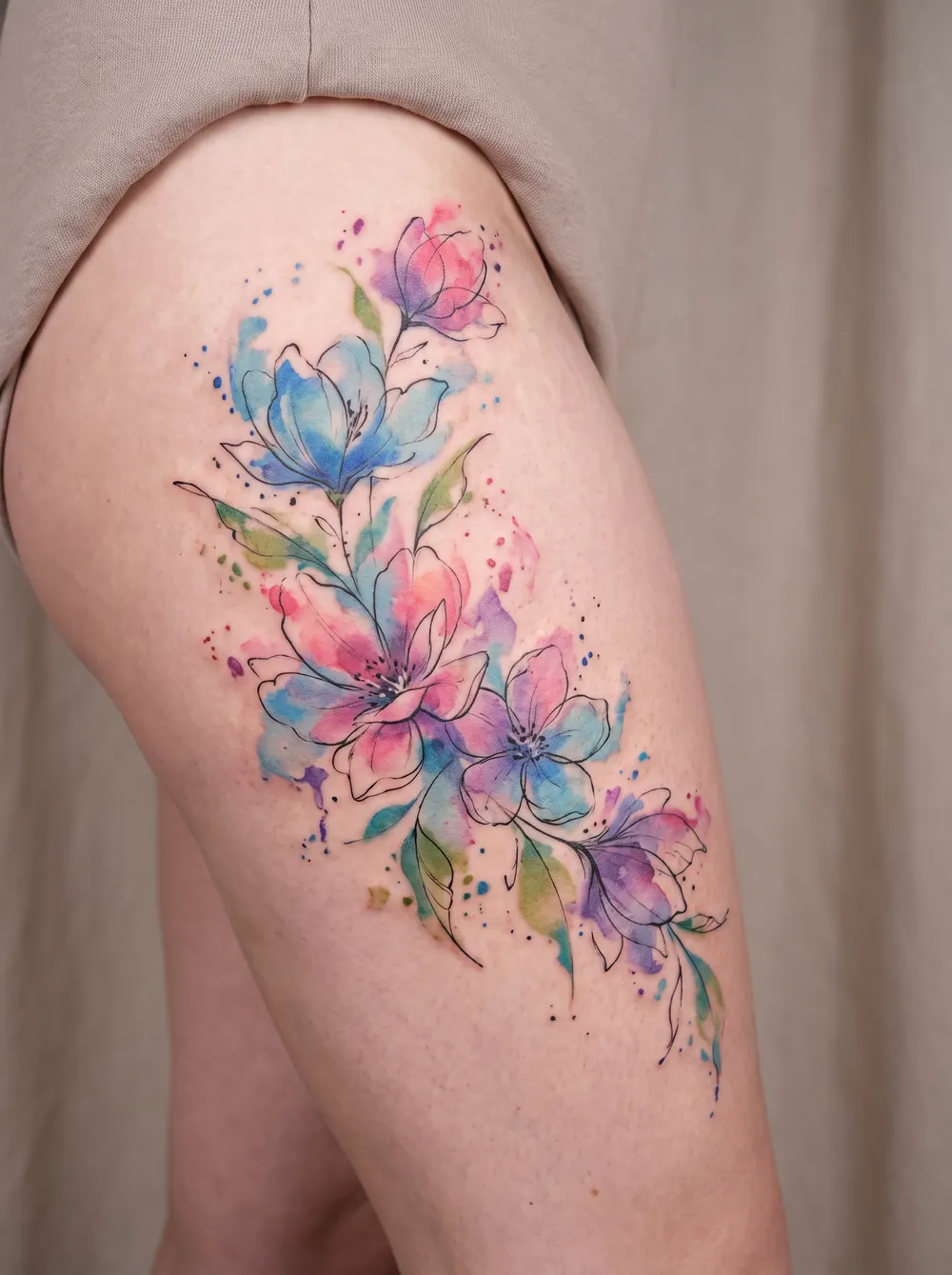
The new design is often larger because it needs room to redirect the old boundaries rather than trace them. Leaves, petals, feathers, scales, fur, ornamental fields, and layered shadows can break up irregular color while supporting a recognizable subject. This does not mean every cover-up must become a black rectangle. It means light areas, focal detail, and negative space must be placed where the existing tattoo allows them, with darker passages assigned to the most demanding zones.
Palette choices depend on value as much as hue. A specialist may keep selected warm or cool notes, neutralize their visual dominance with deeper surrounding tones, or move the focal color away from the old tattoo. No universal color-mixing chart can predict the healed result on every skin tone and pigment history. Ask the artist to explain the plan using healed examples with comparable old colors instead of promising that one new shade will cancel another.
Explore a color cover-up direction on your photo → Get the appWhen selective fading may expand the options
If one dark outline or saturated patch forces the entire replacement design to become much heavier than you want, selective laser fading may create more freedom. It is not a guaranteed prerequisite and it may require more than one treatment and recovery period. Discuss the tattoo goal with a cover-up artist first, then consult a qualified laser provider about suitability, risks, timing, and expectations. The aim may be enough reduction to loosen the design constraints, not complete removal.
Bring honest references to the consultation
Photograph the old color in neutral daylight without filters and include the whole placement. Gather a few style references, define how much larger you are willing to go, and identify which colors or subjects you do not want. Ask to see healed color cover-ups and have the artist point out where the old tattoo sits within them. Ombra Tattoo is free to download and can help you compare broad cover-up directions on your photo, but bring the original image too so the preview never hides the starting point.
FAQ
Can black ink cover every colored tattoo?
Not automatically. Dark ink can provide strong coverage, but the old shape, saturation, size, skin, and new composition still determine whether the result is readable and how much old ink may remain visible.
Can a light color cover dark tattoo pigment?
Light pigment is not opaque paint and usually cannot simply erase darker ink. A specialist plans deeper values, texture, scale, and placement around the existing tattoo.
Does a color cover-up have to be black-and-grey?
No. Color may remain possible, but the palette and value structure must work with the old pigment. Ask for healed examples similar to your starting colors.
Should I fade a colored tattoo before covering it?
Sometimes selective fading opens lighter or less dense design options, but it is not always necessary. Get a cover-up assessment and separate qualified laser advice before deciding.
Can a preview show whether old color will disappear after healing?
No. A preview is useful for visual planning but cannot predict pigment interaction or healed show-through. Only an experienced artist can assess the tattoo and plan the technique.
Related guides
Ombra Tattoo
Preview ink on your own skin