
choose a tattoo artist
Updated
The Ombra Tattoo team · Written by the team behind the Ombra cover-up preview app — we look at real cover-up cases every day.
Choose a tattoo artist whose repeated, preferably healed work matches the style and technical challenge of your idea. Verify that the studio explains hygiene and consent clearly, then use a consultation to test whether the artist can discuss placement, scale, changes, price structure, and aftercare without pressure. Do not treat follower count, a low quote, or one polished photograph as proof of fit.
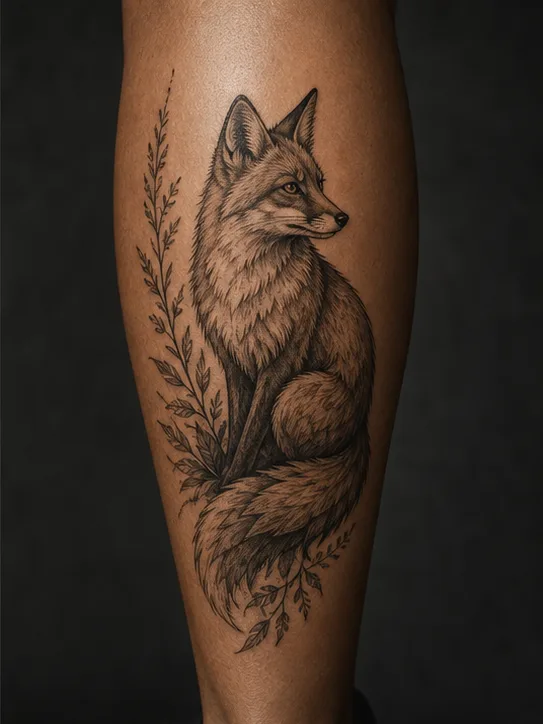
A talented artist can still be the wrong artist for a particular tattoo. Fine-line florals, bold traditional work, color realism, lettering, blackwork, and cover-ups demand different visual judgment and experience. Start by defining the work you need, then look for consistent evidence that the artist solves that kind of problem. The goal is not to rank every artist; it is to find a safe, compatible process for your design and body area.
Choose an artist step by step
Define the style and technical challenge
Name the main style, approximate size, placement, and any special constraint such as old ink, scarred skin, very small lettering, or a wrapping composition. You do not need a finished drawing. A concise brief helps you search for the right portfolio instead of messaging every nearby studio with the same vague question.
Look for repeated relevant work
Review more than the artist's first grid. Find several pieces in the style and scale you want, then compare line control, saturation, composition, and how the work follows the body. One excellent fox does not prove the same artist regularly handles portraits, geometric symmetry, or cover-ups.
Prioritize healed evidence
Fresh tattoos are useful, but redness, surface shine, and dense new pigment can hide how the work settles. Healed photographs show whether spacing, contrast, color, and fine lines remain readable. Not every portfolio will document every piece later, yet an experienced artist should be able to discuss healed outcomes and limitations honestly.
Check the studio and professional process
Use the studio's official information and local requirements to understand licensing or registration where applicable, hygiene practices, single-use supplies, consent, age and identification rules, deposits, cancellations, and aftercare. If an answer is missing, ask directly. A visually strong feed does not replace a clean, accountable working environment.
Use the consultation to test fit
Explain the goal and listen to what the artist would change. Ask why a size or placement works, when the drawing is shown, which revisions are included, how pricing is structured, and what aftercare support is provided. Good communication includes limits; an artist may refuse an unsafe condition, an unreadable scale, or work outside their specialty.
Compare the whole proposal before booking
Review the portfolio fit, explanation, studio standards, policy, schedule, and total scope together. A cheaper quote may cover different time or detail, while a higher quote is not automatic proof of quality. Pay a deposit only after you understand what it reserves and what happens if either side changes the plan.
Questions that reveal more than a portfolio
- Can you show healed examples in this style or explain how similar details usually settle?
- What would you simplify, enlarge, rotate, or move in my idea, and why?
- How does your drawing and revision process work before the appointment?
- What is included in the quote, deposit, number of sessions, and touch-up policy?
- What preparation and aftercare instructions do you provide, and how should I contact the studio with a concern?
Notice whether the answers are specific to your design. Someone who examines the placement and explains trade-offs is giving you more evidence than someone who promises any result immediately. Pressure to pay before policies are clear, copied portfolio images, refusal to discuss hygiene, no consent process, or certainty about a complex cover-up without inspection are reasons to stop and look elsewhere.
Trust clarity over pressure
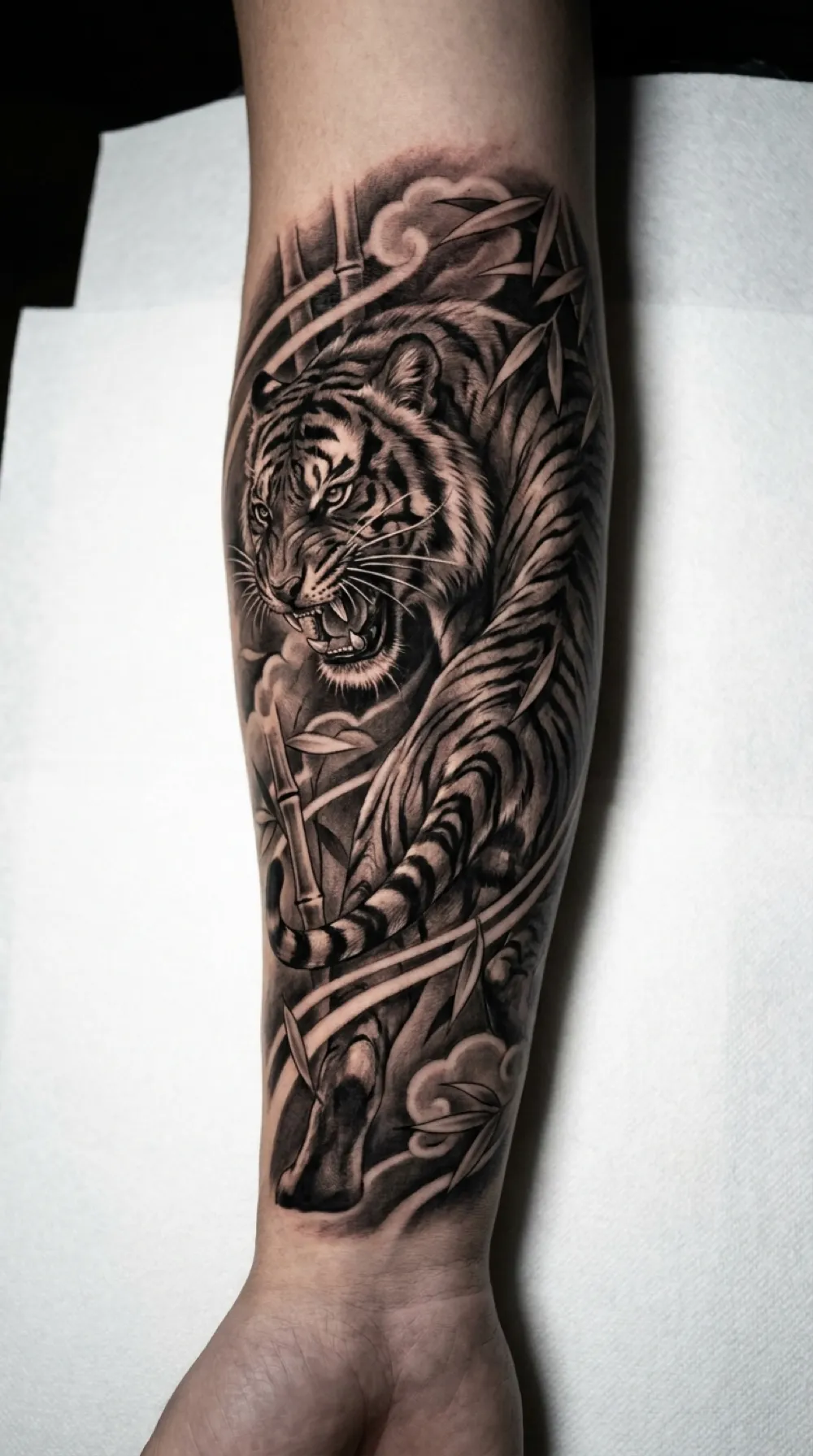
Compare how the artist handles scale, not only how closely their subject matches yours. A portfolio may contain wolves, flowers, or portraits you like while avoiding the small size, wrapping placement, color saturation, or cover-up density your project requires. Ask for the closest healed example and what they would change for your body. A thoughtful mismatch explanation is more useful than a generic promise that every style is possible.
Clarify your tattoo direction before the consultation → Get the appConfirm authorship and the working relationship. Find out whether the person answering messages, drawing, and tattooing is the same person, whether apprentices or collaborators are involved, and whose portfolio you are viewing. Reputable studios can explain roles plainly. For a multi-session piece, ask how continuity is preserved and what happens if scheduling changes before the project is complete.
Look beyond a single perfect appointment slot. Travel, long sessions, healing between visits, work obligations, accessibility, and aftercare support all affect whether the artist is practically right for you. The most impressive portfolio is not automatically the best choice when communication is inaccessible, the required cadence is unrealistic, or the studio cannot accommodate a necessary boundary.
You should understand who will tattoo you, where it will happen, what the current design direction is, how changes are handled, and what the financial commitment covers. It is reasonable to take time, seek a second consultation, or leave when the answers do not feel complete. Compatibility includes communication and boundaries as well as visual taste.
Ombra Tattoo is free to download and can help you organize a visual direction on your own photo before you contact an artist. Keep your brief short and bring a few purposeful references. The chosen artist should still reinterpret the idea into original artwork that fits your anatomy and their technique.
FAQ
How do I know whether a tattoo artist is good?
Look for consistent relevant work, healed examples, body-aware composition, clear studio and hygiene information, realistic limits, and a professional consultation process.
Should I choose an artist based on price?
Price is one part of scope, not a quality score. Compare what the quote includes alongside relevant experience, process, safety, sessions, policies, and communication.
Is social-media follower count useful?
It may help you discover an artist, but it does not verify healed quality, studio standards, originality, or fit for your specific tattoo.
Can I ask several tattoo artists for consultations?
Yes, if you respect each studio's process and fees. Compare their reasoning and relevant healed work rather than asking them to compete by copying one drawing.
What if an artist says my idea needs to change?
Ask for the reason. Changes to scale, detail, placement, or composition can protect readability and technical fit; you can seek another opinion if the direction no longer matches your priorities.
Related guides
Ombra Tattoo
Preview ink on your own skin