first tattoo guide
Updated
The Ombra Tattoo team · Written by the team behind the Ombra cover-up preview app — we look at real cover-up cases every day.
For a first tattoo, choose a subject you can explain simply, test it at realistic sizes on the intended body area, and select an artist whose healed work matches the style. Discuss placement, changes, price structure, preparation, aftercare, and the artist's process before paying a deposit. A calm decision with some flexibility is more useful than finding a supposedly perfect design overnight.
A first tattoo combines several decisions that are easy to blur together: what the image means, how it should look, where it should sit, how large it needs to be, and who should tattoo it. Solve them in that order instead of choosing an attractive reference and forcing every other decision around it. You do not need expert vocabulary. You need a clear priority, useful references, and an artist who can explain the trade-offs.
Start with a design direction, not a copied tattoo
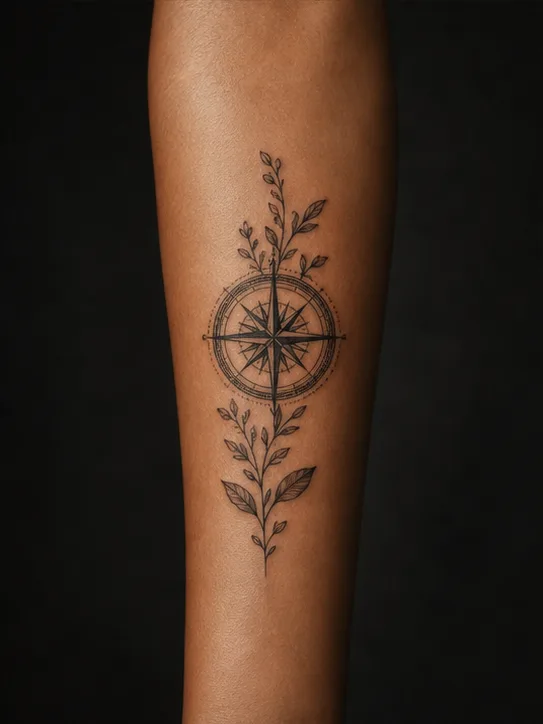
Write one sentence describing the subject and one sentence describing the feeling. For example, a compact botanical compass with quiet linework is more actionable than “something meaningful.” Collect references for separate qualities such as composition, line weight, shading, and mood. Treat another person's finished tattoo as evidence of a style you like, not artwork to duplicate. A good artist will combine your priorities into an original drawing that fits your body.
- Choose one main subject and identify any secondary detail that can be removed if the design becomes crowded.
- Decide whether you prefer bold outlines, fine linework, black-and-grey shading, solid blackwork, or restrained color.
- Save examples of healed work as well as fresh tattoos, because healed contrast and spacing are more informative.
- Set a comfortable maximum footprint, but let the artist recommend a minimum size for readable detail.
- Avoid attaching a deadline to the design unless the date truly matters; haste is a poor filter for a permanent choice.
Choose placement and size together
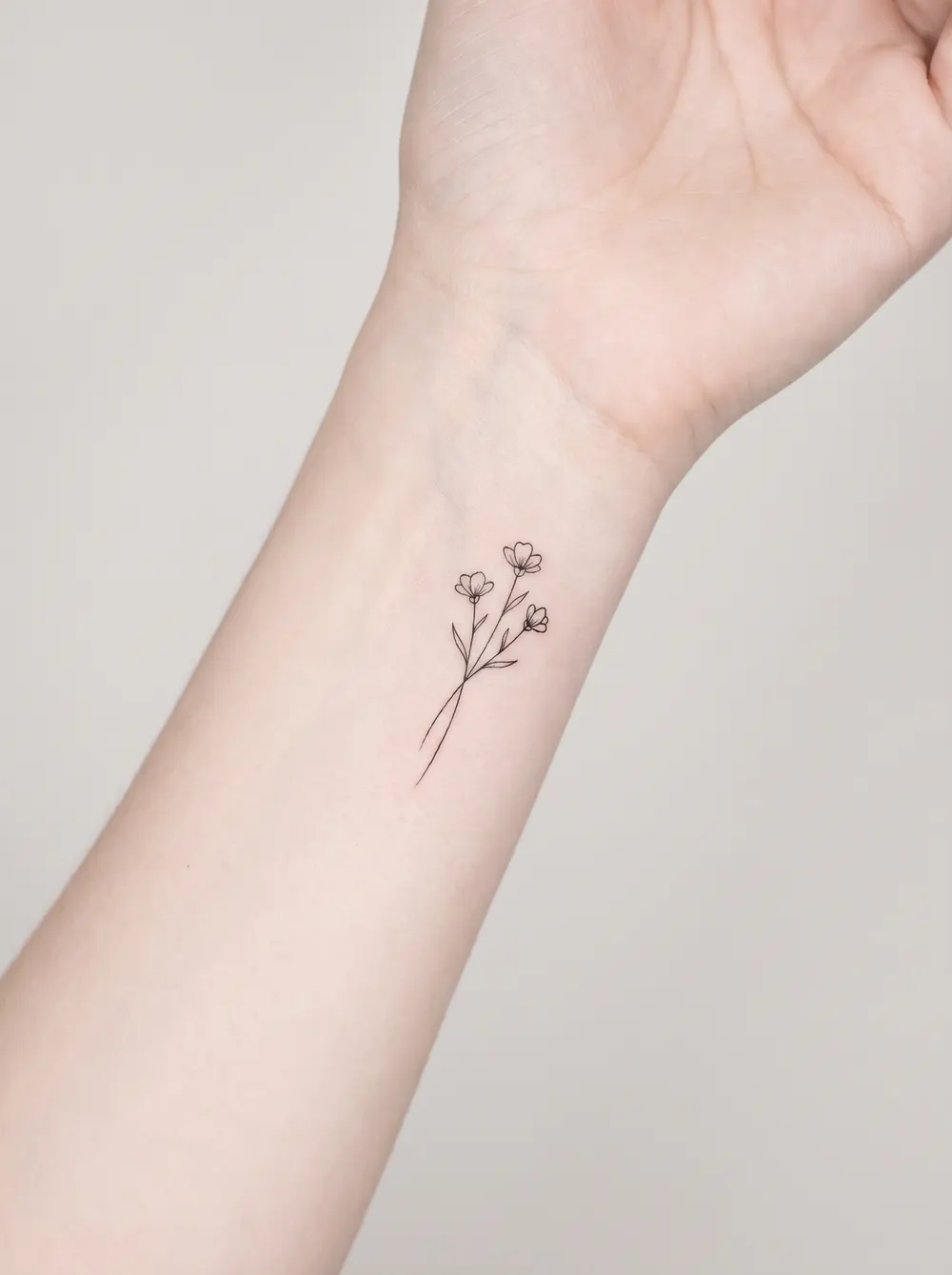
Placement is not only a pain or visibility question. The surface changes how a design flows, how much detail fits, and how it looks when the body moves. A long motif may follow a forearm or calf, while a wider composition may suit the shoulder or thigh. Compare the idea at normal viewing distance, with the nearby joint and body outline visible. If the smallest version turns important spaces into tiny gaps, simplification or a larger size is usually more honest than squeezing everything in.
Find the right artist for the style
Look for a portfolio with repeated strength in the style you want, not an artist who has made one similar post. Review line consistency, composition on the body, healed examples, studio hygiene information, and how clearly the consultation process is described. During the conversation, ask what the artist would change, why the proposed size works, when you will see the drawing, what revisions are included, and how deposits or cancellations work. Specific explanations matter more than instant certainty.
Prepare for the appointment without overengineering it
Follow the studio's instructions. In general, arrive rested, eat normally, hydrate, wear clean clothing that gives easy access to the area, and bring identification and any agreed references. Do not arrive intoxicated or attempt to numb, shave, or treat the skin unless the artist has told you how. Tell the studio about relevant allergies, medications, skin issues, or health concerns and seek qualified medical advice when appropriate; a blog cannot assess whether tattooing is safe for you.
Preview a first-tattoo direction on your photo → Get the appAsk for written aftercare instructions and use those as your primary guide. Know how to contact the studio if you are unsure about the bandage or healing process. If symptoms seem severe, rapidly worsen, or concern you, contact a qualified healthcare professional rather than relying on social-media comparisons. A reputable artist should be comfortable explaining the normal process without pretending to diagnose a medical problem.
Give yourself a final pause
Before the appointment, check that you still want the subject, placement, approximate size, and artist—not just the excitement of having a booking. It is reasonable to ask a final question or postpone when the plan no longer feels right. Ombra Tattoo is free to download and can help you compare a few directions on your own photo. Bring the original photo and preferred preview to the consultation so the artist can see both the idea and the real placement context.
FAQ
How should I choose my first tattoo design?
Define one main subject, the mood and style you want, and the details you can remove. Use references to communicate qualities, then let the artist create an original body-specific composition.
Where is a good place for a first tattoo?
There is no universal best placement. Compare visibility, available space, body movement, design shape, and your comfort, then ask the artist how the motif fits that surface.
How small can my first tattoo be?
The minimum depends on the motif, line weight, technique, and placement. Ask what size preserves the essential gaps and silhouette instead of forcing detailed artwork into a tiny footprint.
Should I see the final drawing before tattoo day?
Policies vary. Ask during the consultation when the drawing is shown, which revisions are included, and what happens if the design direction is not right.
Can a tattoo app tell me exactly how the finished tattoo will look?
No. A preview can support placement and design conversations, but the artist's drawing, technique, your skin, and healing determine the real result.
Related guides
Ombra Tattoo
Preview ink on your own skin