Tattoo Placement Guide: Pain, Aging & Visibility
Updated
The Ombra Tattoo team · Written by the Ombra product team — practical guidance for planning tattoo ideas, placement, and cover-up questions.
Where you put a tattoo changes comfort, composition, long-term exposure, and visibility. Fleshy or protected areas may offer different working space and friction than wrists, ankles, ribs, or hands, but no placement guarantees comfort or aging. Choose a surface that matches the design, then ask the artist to assess the exact skin, movement, and visibility tradeoff before booking.
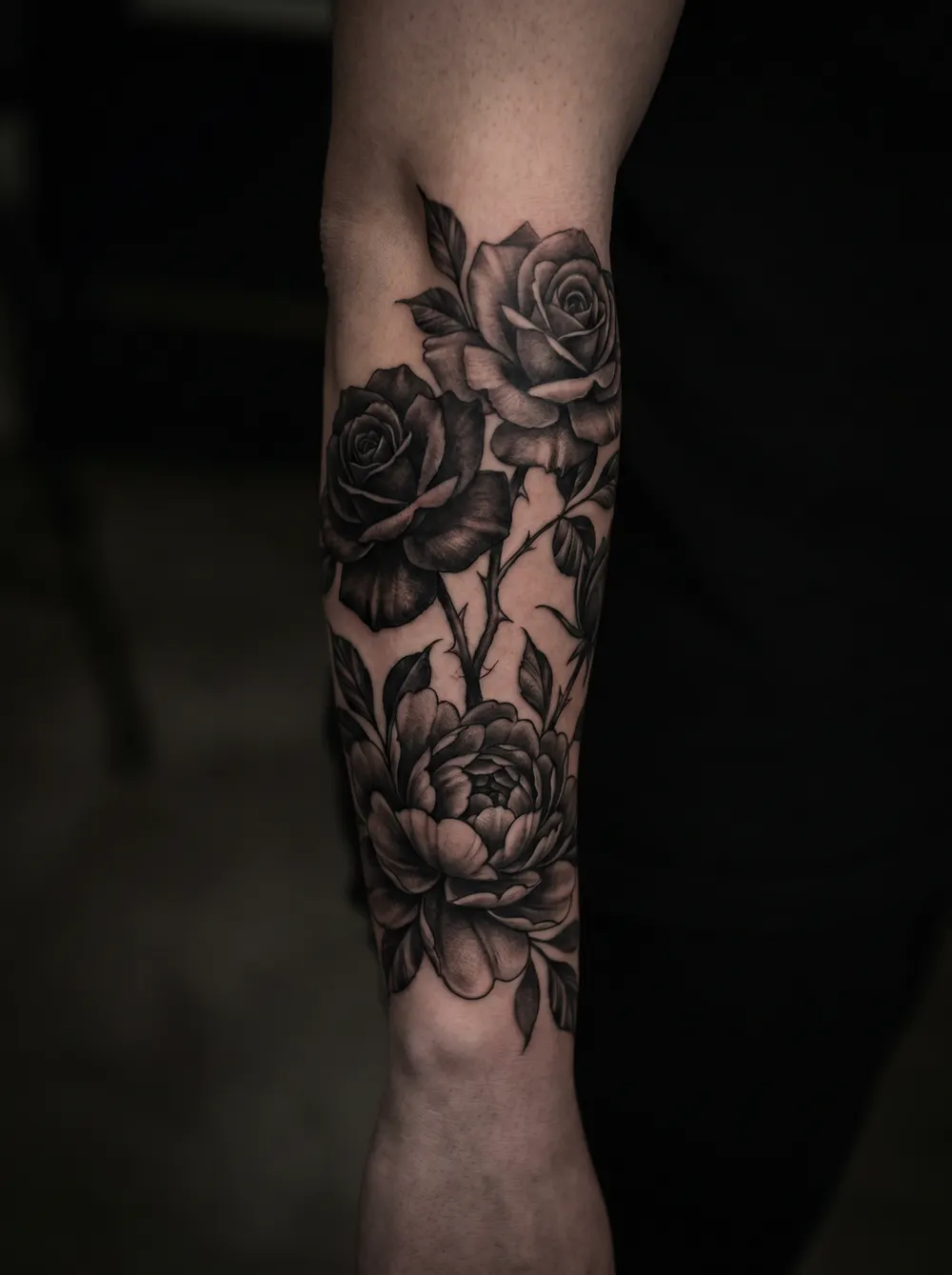
Two people can get the same design and experience the placement differently. Location affects comfort, composition, movement, exposure, friction, visibility, and clothing; it does not decide a fixed healing or aging outcome. Here is a comparison framework to discuss with the artist.
The three things placement decides
Comfort can vary with skin, anatomy, nerve sensitivity, session, design, and personal response; bone or thin skin may feel different, but no chart predicts everyone. Long-term appearance is shaped by friction, sun, pigment, technique, skin, care, movement, and time. Visibility is how easily you and others see it, which matters for work and clothing choices.
Forearm
The forearm is versatile: its surface may offer room for detail and can be shown or covered depending on clothing. It is also used for cover-ups because the artist can sometimes route a larger composition around the old map; the actual limits depend on the tattoo and skin.
- Comfort: varies — the outer forearm, inner arm, elbow, and wrist can feel different from person to person and session to session.
- Aging: variable — placement, skin, exposure, pigment, technique, care, and time all affect how lines settle.
- Visibility: high, but easy to hide under a sleeve when you need to.
Wrist
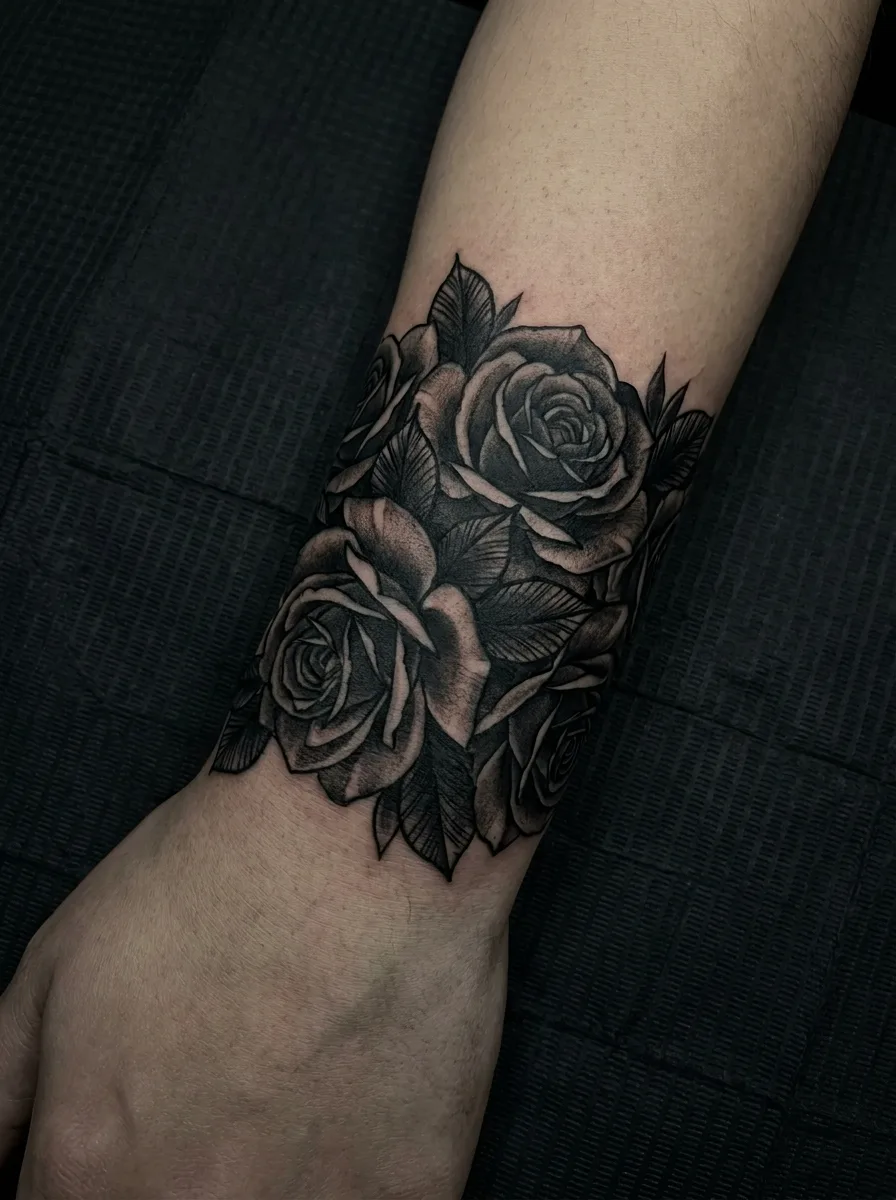
The wrist is popular for small, meaningful pieces, but its thin, moving surface and contact with watches or sleeves create design and visibility trade-offs. Ask the artist how the exact line weight, size, crease, and daily friction affect the plan.
- Comfort: may feel sharper to some people because of thin skin, bone, and tendons; personal response varies.
- Aging: variable — movement, sun, friction, pigment, technique, skin, care, and time all affect delicate work; touch-up is not automatic.
- Visibility: very high and hard to hide, so choose the design with that in mind.
Chest
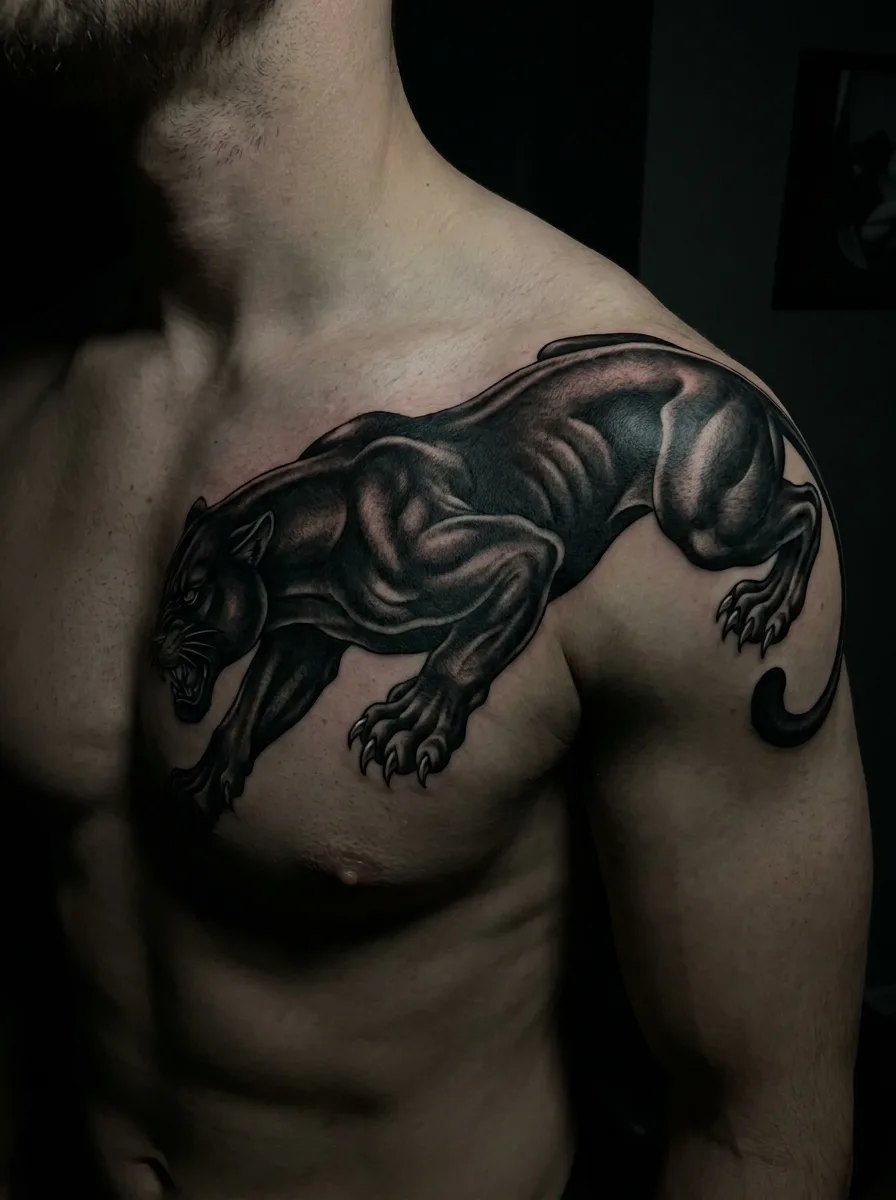
The chest offers space for a broad composition, with the sternum, collarbone, and pectoral contours creating different design boundaries. Discuss the exact footprint, session plan, and your comfort concerns with the artist rather than relying on a regional pain ranking.
- Comfort: individual — discuss the exact chest area, session length, and how to communicate a request for a break.
- Aging: variable — fuller or covered areas may have different exposure and friction, but the design, skin, technique, care, and time still decide appearance.
- Visibility: low day to day — usually covered — so it's a spot you control.
Back
The back can offer a broad surface for a large composition, while clothing and daily exposure vary by person. Discuss how the exact area, body movement, sun, friction, and future visibility affect the plan instead of treating the back as an aging guarantee.
- Comfort: individual — discuss the working position and planned area with the artist; a back placement does not guarantee a mild session.
- Aging: variable — protected skin can help, but appearance still depends on the design, skin, technique, care, and time.
- Visibility: low, and easy to keep private; a canvas for work you show on your own terms.
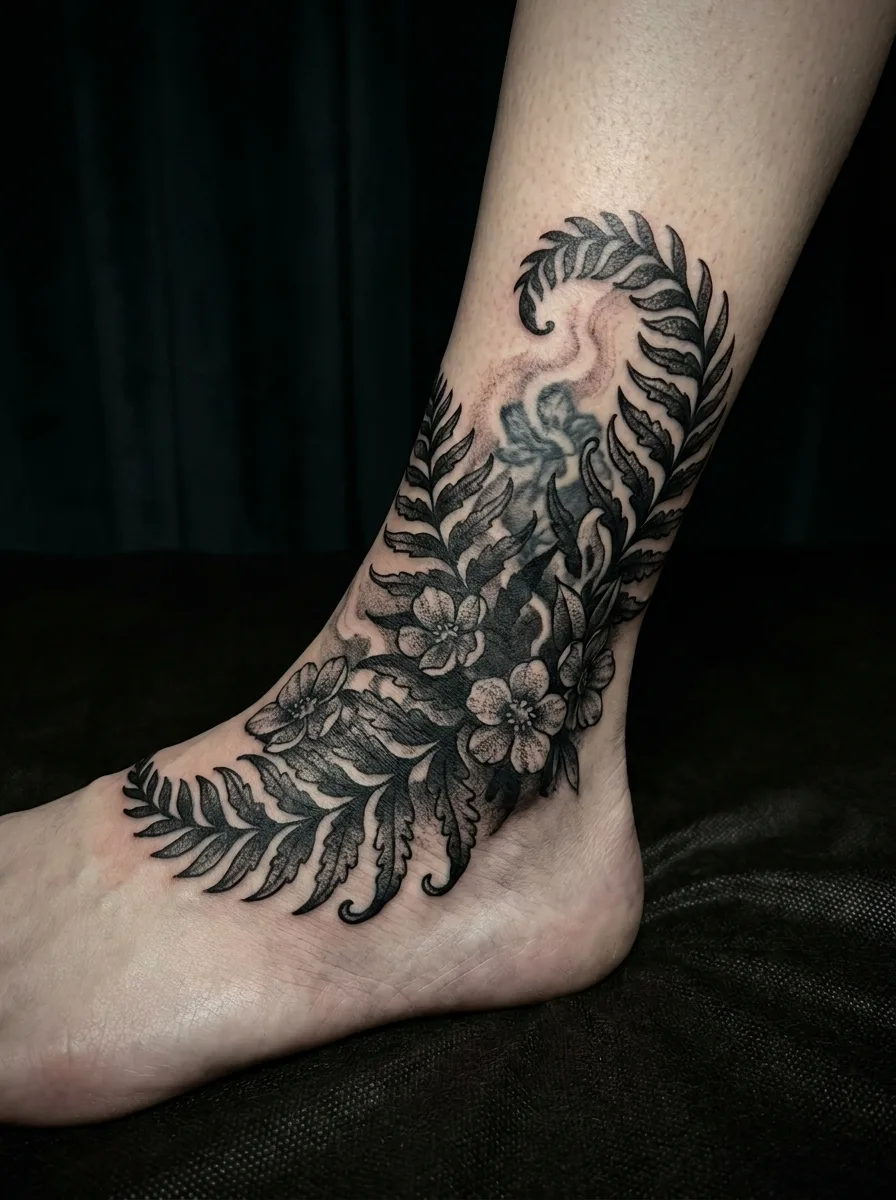
Ankle & foot
Ankle and foot tattoos are often easy to cover with clothing, but footwear, movement, thin skin, and body contours create design and comfort trade-offs. Discuss the exact surface, line weight, exposure, and review plan instead of assuming a fixed aging or touch-up outcome.
- Comfort: may feel sharper on some surfaces because of thin skin and bone; individual response varies.
- Aging: variable — footwear friction and exposure are relevant, but appearance depends on the design, skin, pigment, technique, care, and time.
- Visibility: seasonal — easy to cover, on show in sandals.
Placement and cover-ups
If you're covering an old tattoo, placement matters twice over. Forearm, upper arm, back, wrist, and ankle create different space, movement, friction, and boundary questions; the artist must decide whether the proposed composition can manage the actual old map without turning a general ranking into a promise.
Whatever you're planning, seeing it on the actual spot beats imagining it. Ask your artist to place a printed stencil on your forearm, wrist, or ankle before you commit — placement and scale are much easier to judge on your body than on a stock photo. The Ombra Tattoo app can help you settle the design itself first, and its cover-up flow can show a concept over a photo of a tattoo you already have.
FAQ
What is the least painful place to get a tattoo?
There is no reliable least-painful location for everyone. Tell the artist about your concerns and discuss the exact placement, design, working position, session length, and break arrangements before deciding.
Which tattoo placements age the best?
Sun, friction, movement, skin, technique, care, and time all affect long-term readability. Ask the artist for relevant healed work at the exact area and treat touch-ups as an assessment decision, not a universal schedule.
Where should I put my first tattoo?
For a first tattoo, compare the outer forearm, upper arm, back, and other options by access, comfort, clothing, movement, design detail, and your own boundary. There is no universally ideal first location; ask the artist what the exact design and skin require.
How do I know a design will suit a placement?
A stencil placed by the artist, or a printed version of the design held against that exact body area, helps compare broad size and placement, but it cannot certify movement, pigment, or how the final piece will heal. Confirm the actual placement with the artist before committing.
Related guides
Ombra Tattoo
AI cover-up and design concepts