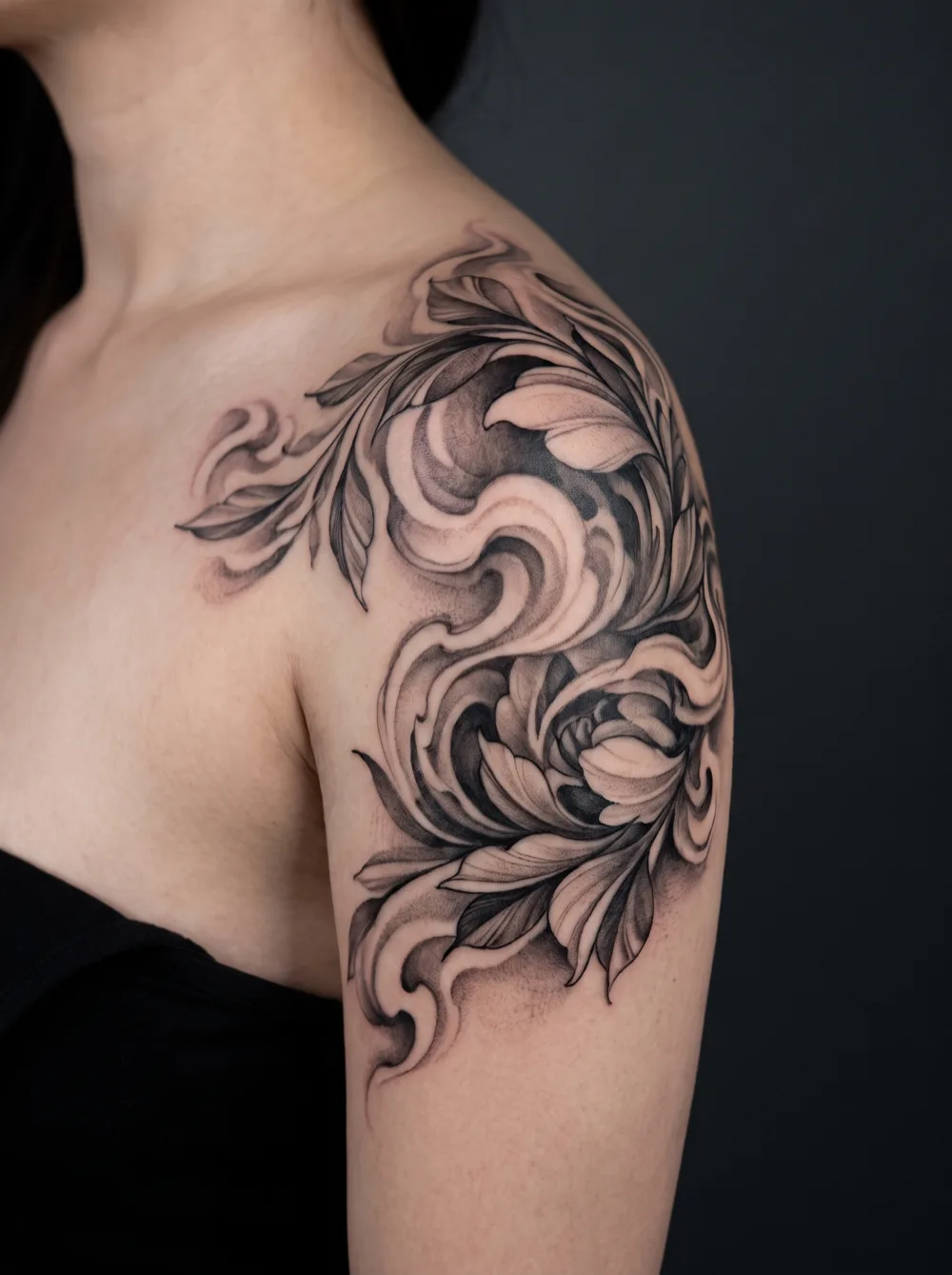
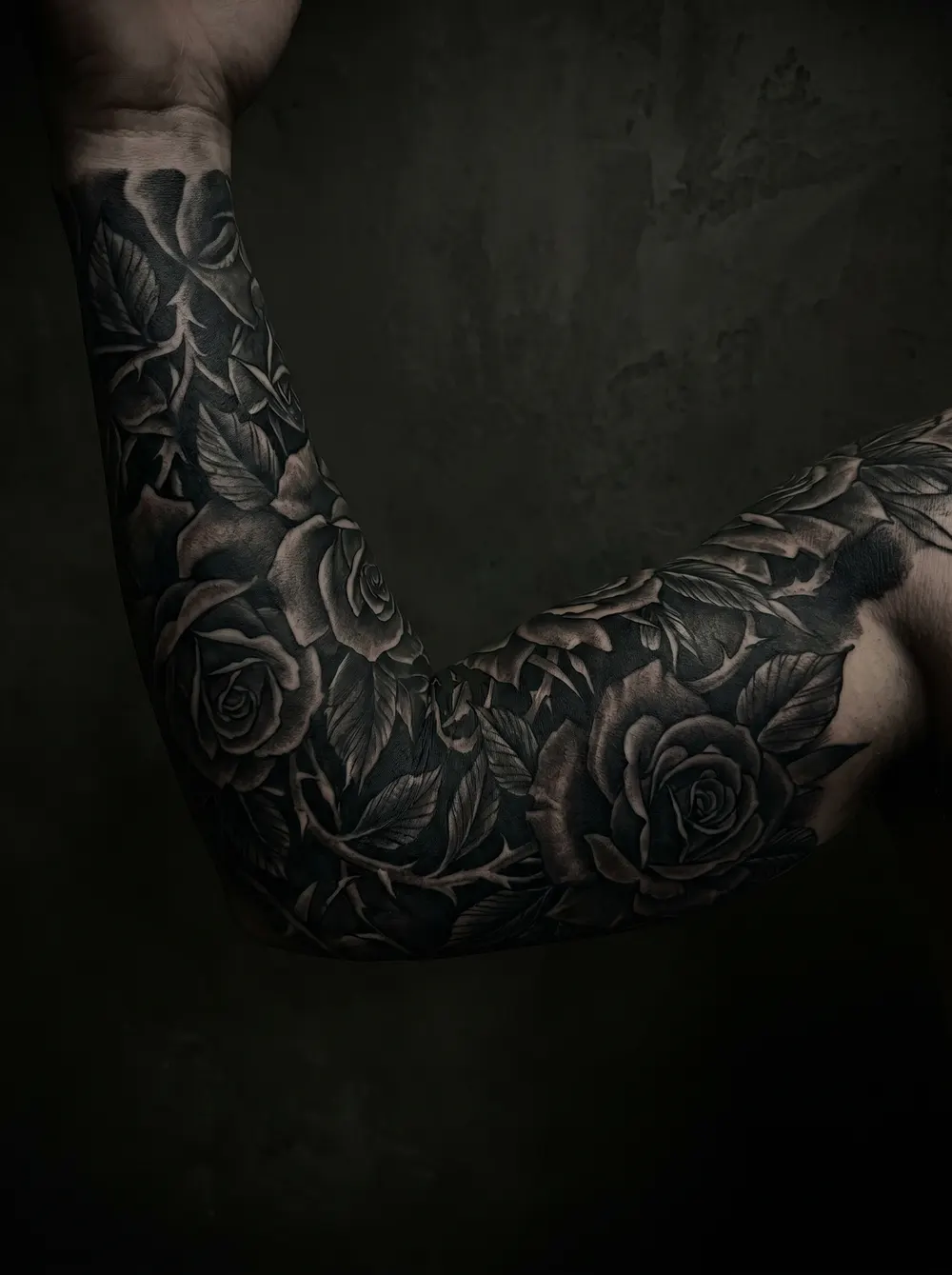
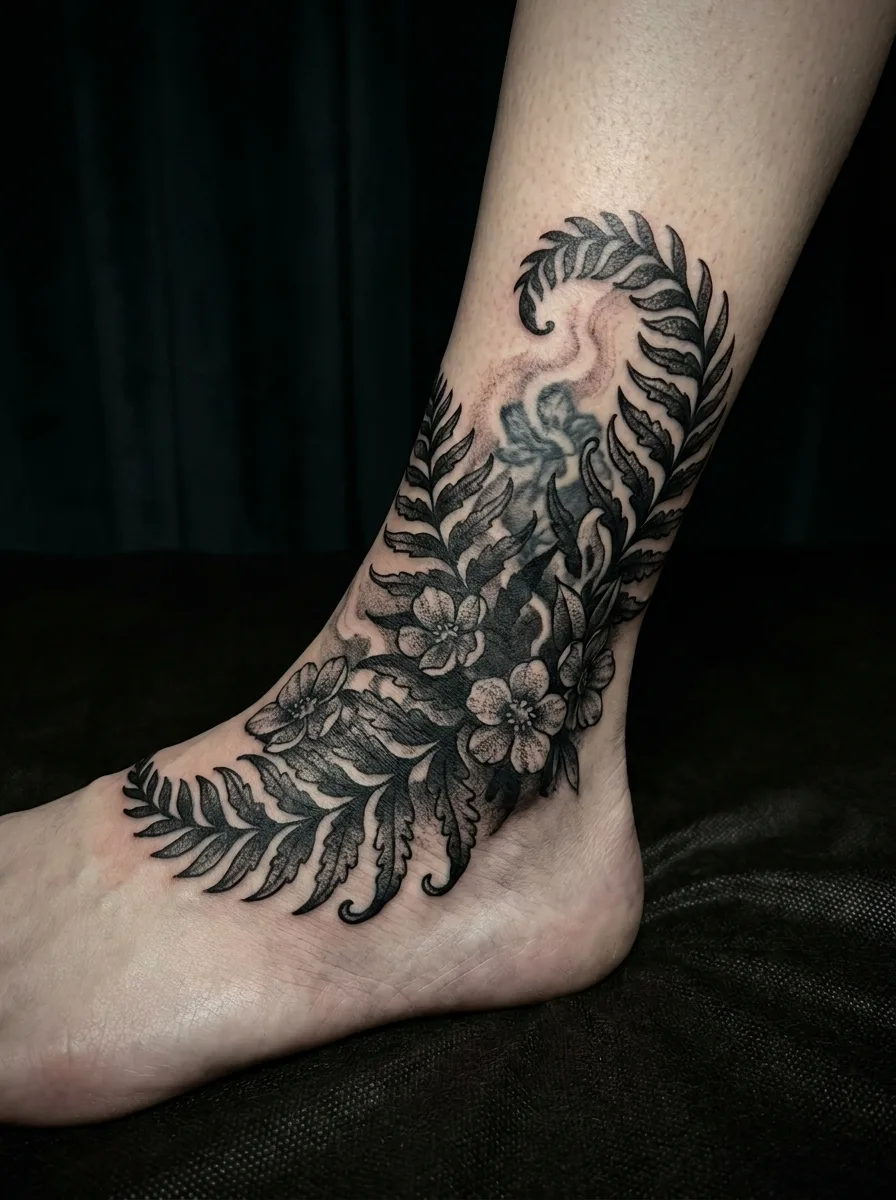
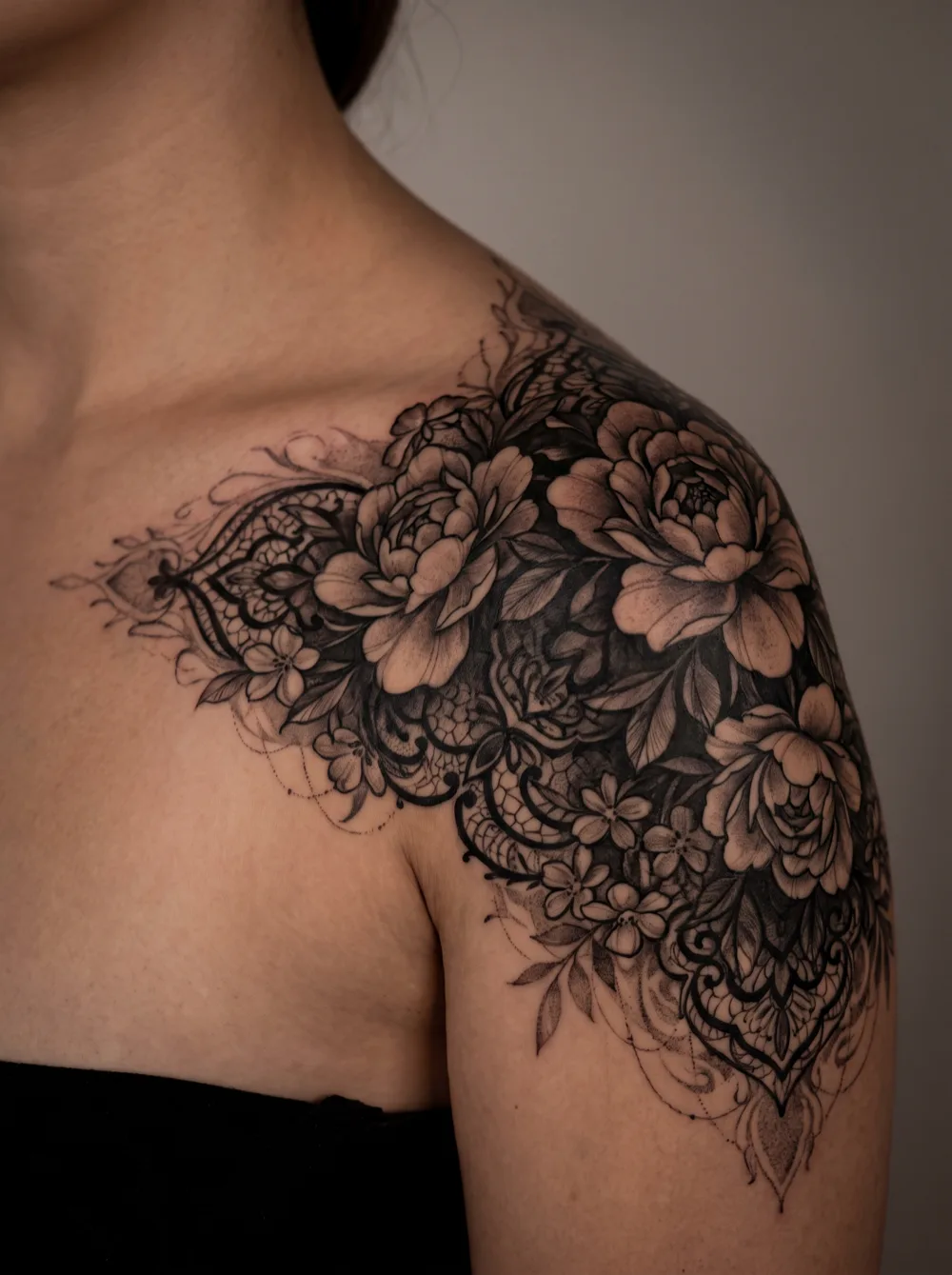
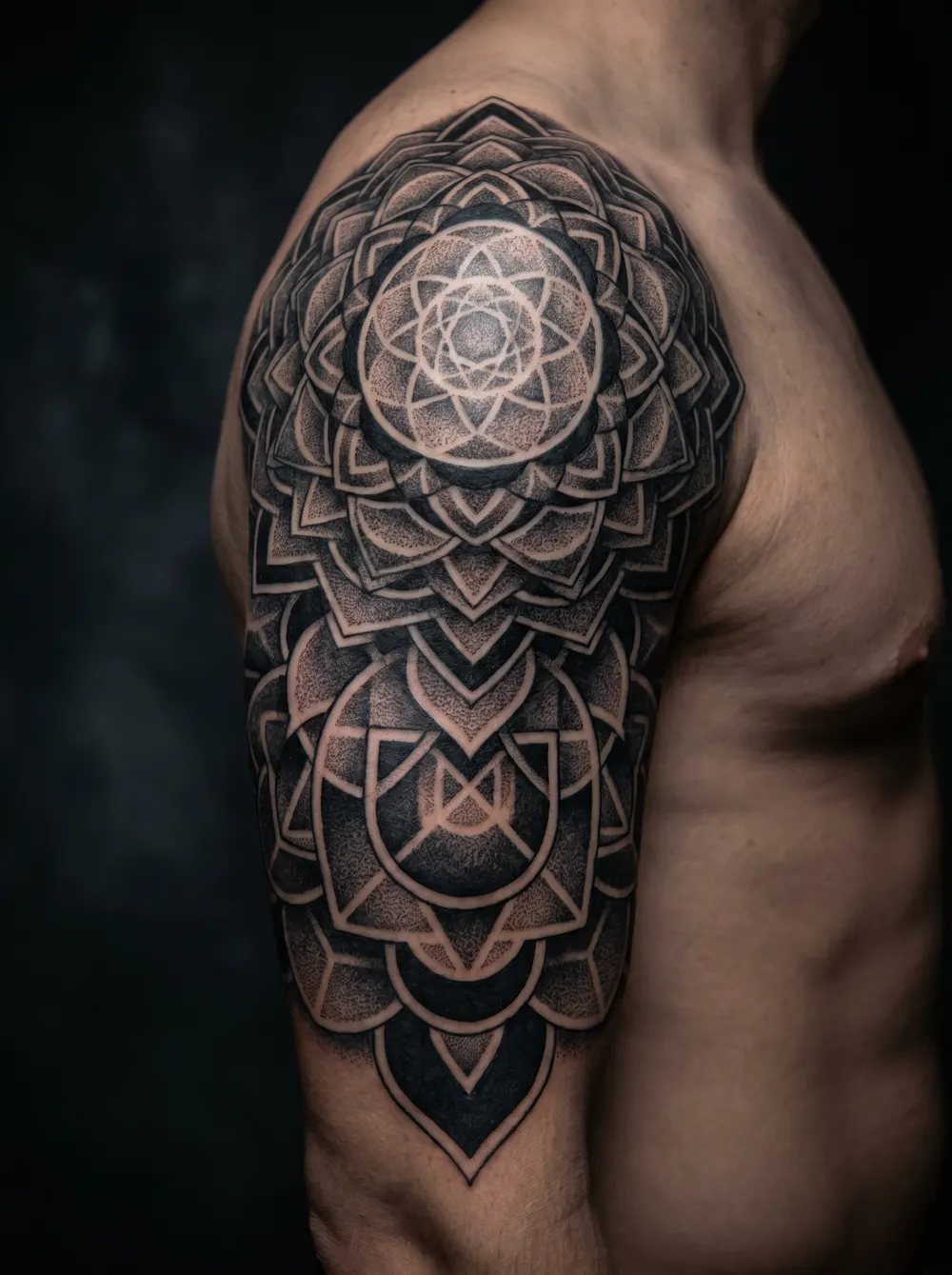
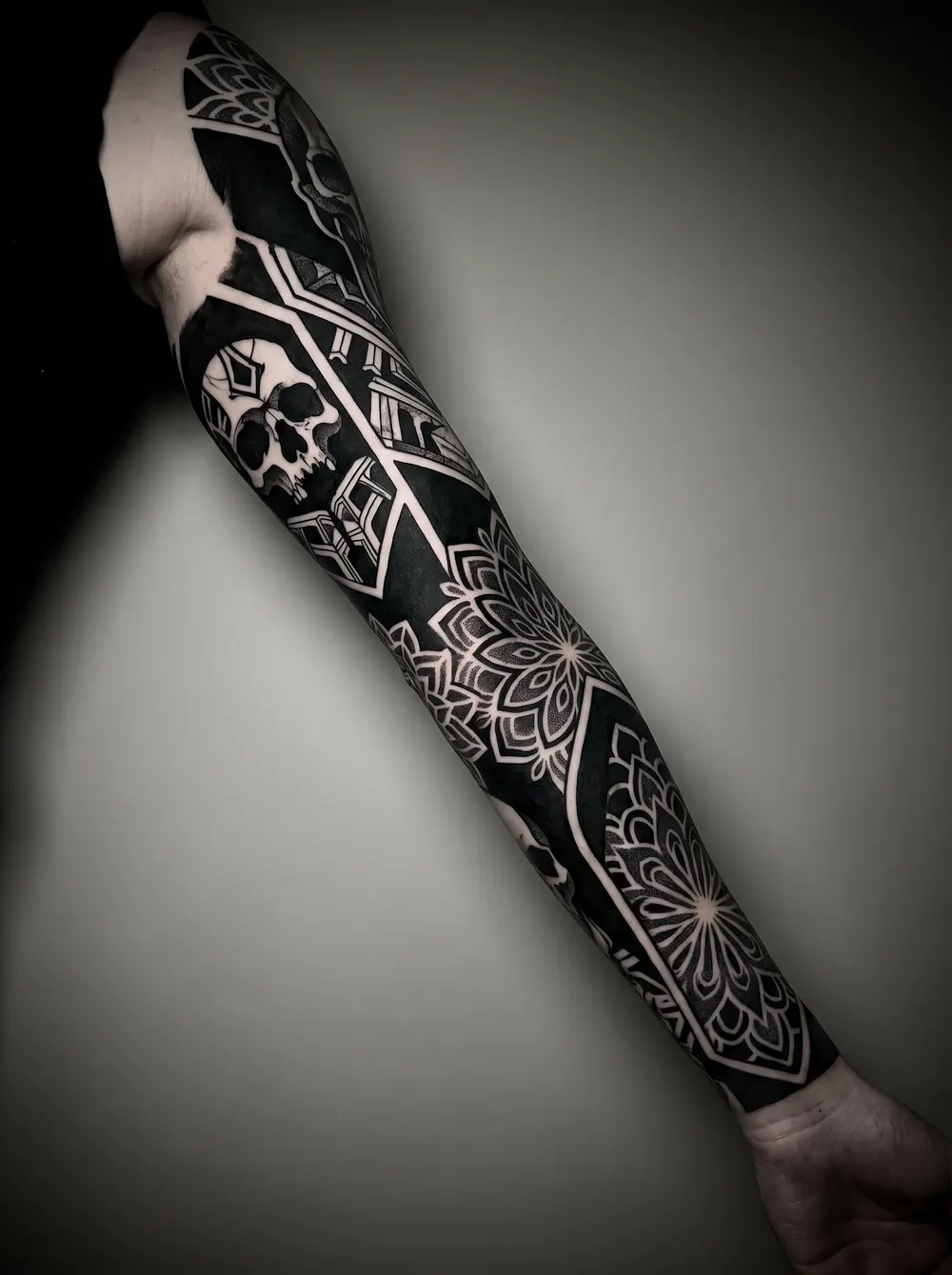
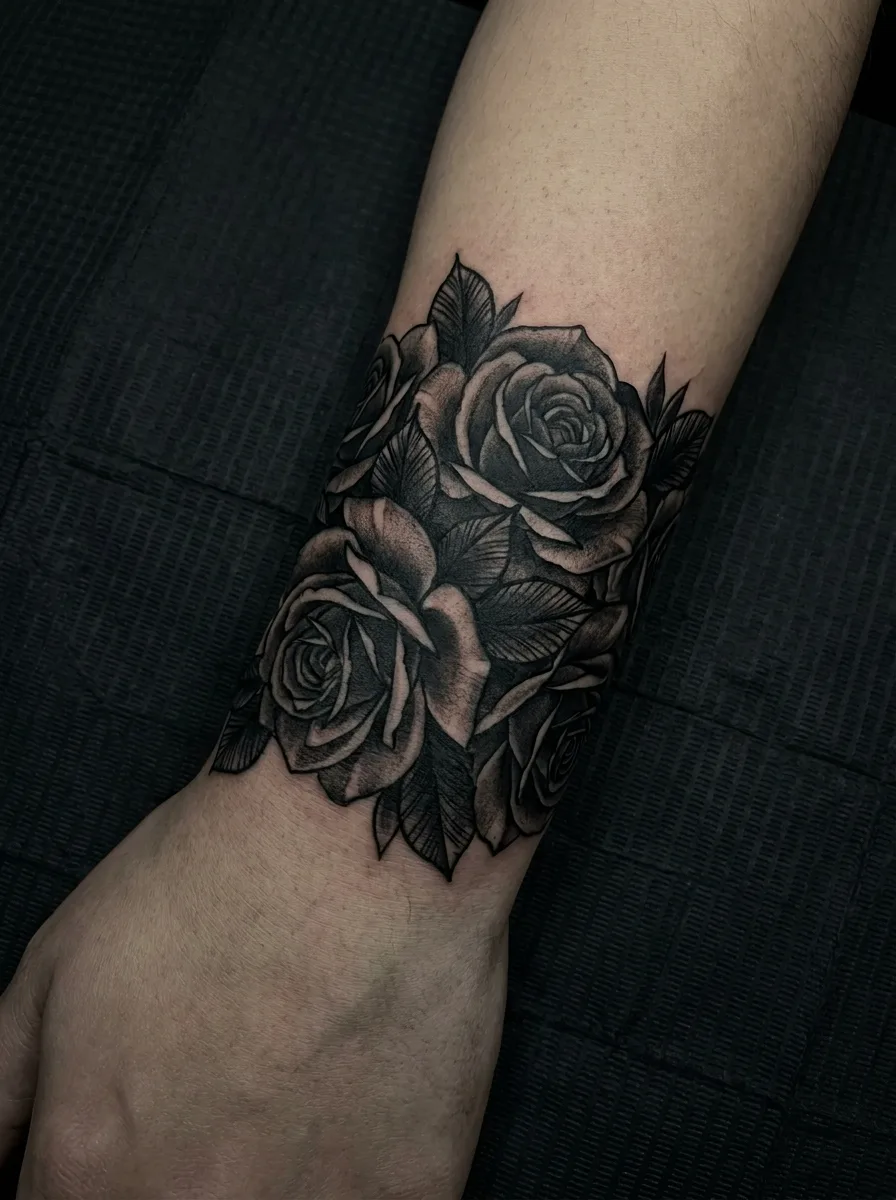
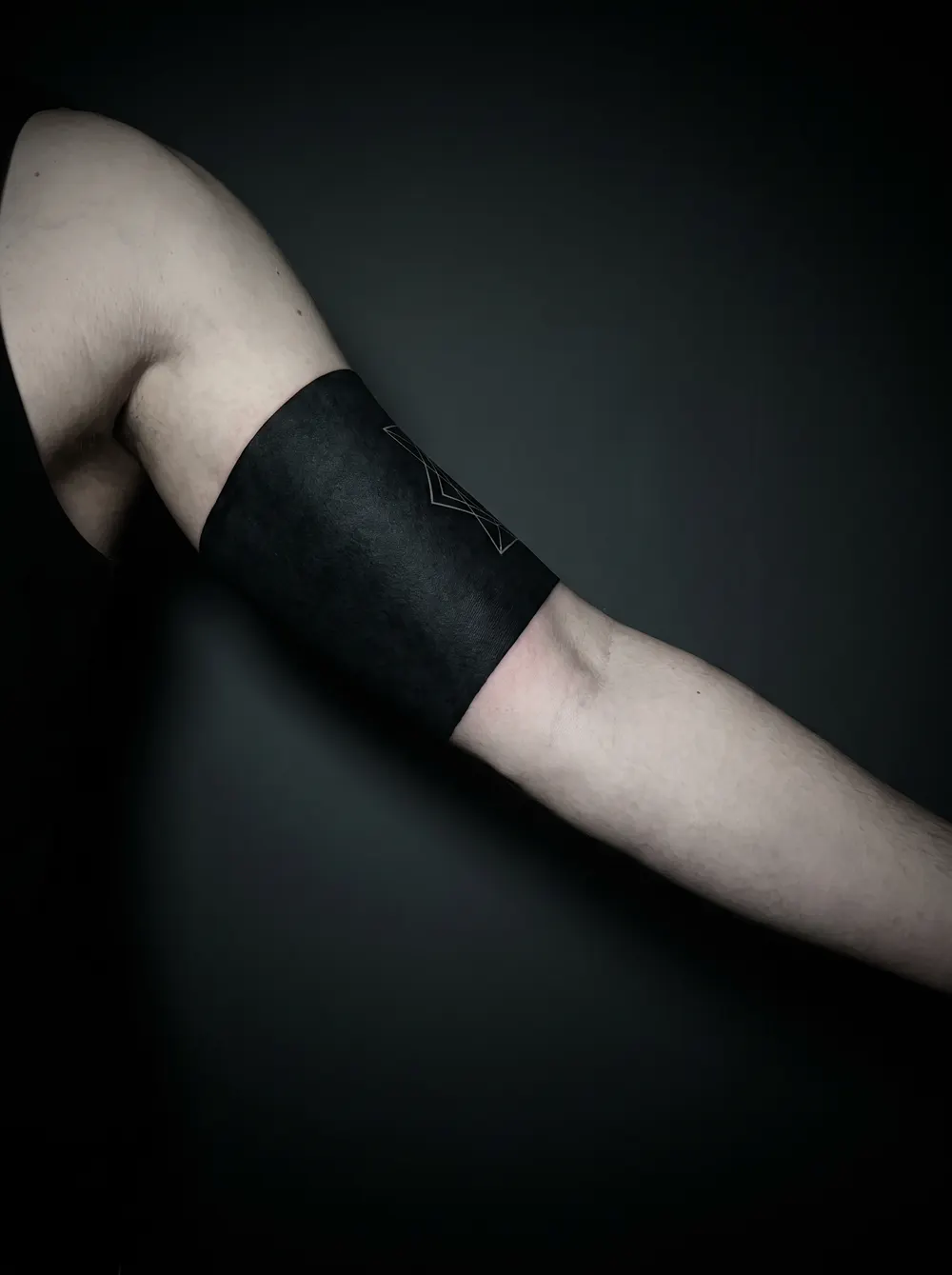
A scar can often be tattooed, but it is not the same job as covering a tattoo — you are not hiding ink, you are working skin whose texture has changed. Scar tissue holds ink differently from flat skin: some areas take more, some take almost none, and raised or keloid scarring behaves differently again. So the one real rule here is that we cannot tell you which scar can be tattooed. An artist who can see it can, and in some cases a doctor should look first. What we can show is what works in practice: organic, irregular forms instead of straight geometry, flow that follows the direction of the scar rather than cutting across it, and edges that fade outward instead of stopping on a hard line. A tattoo also changes colour, not texture — raised scarring stays raised. Browse the ideas below, then preview one on a photo of your own skin in the Ombra Tattoo app before you talk to an artist.
Design inspiration, including AI-generated concepts; these images do not document healed cover-up results. A photo preview cannot confirm how new ink will cover an existing tattoo.
Whether a particular scar can be tattooed, and whether it should be yet, is a decision for someone who can see and feel it — not for a website. Most artists will tell you straight in a first consultation.
2
Choose organic over geometric
Straight lines and clean symmetry sit badly on an uneven surface: any waver reads as a mistake. Irregular, flowing designs absorb the same unevenness without looking wrong.
3
Preview the shape on your own skin
Upload a photo in the Ombra Tattoo app and see how a design's flow and outer edges sit over the actual area — the cheapest way to test a direction before you book.
Pros
+Organic, soft-edged designs suit uneven skin better than geometric work
+Density can be varied to match how differently the area takes ink
+A design that follows the scar's direction draws the eye along it, not to it
+Previewing the shape costs nothing before an artist consultation
Cons
−A tattoo changes colour, not texture — raised or indented scarring stays so
−Mature scarring only: artists generally want a year or more, sometimes longer
−Ink can sit unevenly, so results are less predictable than on flat skin
−Some scarring should not be tattooed at all — that is a professional's call
FAQ
Can you tattoo over a scar?
Often, yes — it is routine work for artists who do it. But it depends on the individual scar: how it healed, how raised or indented it is, and how old it is. Artists generally want scarring to be fully mature, which usually means at least a year and sometimes longer. Whether yours is suitable is a question for an artist who can see it, and in some cases for a doctor.
What tattoo designs cover scars best?
Organic and irregular ones — florals, botanical work, flowing ornamental shapes, dotwork. Two things matter more than the motif: the design should follow the direction of the scar rather than cut across it, and its outer edges should fade out gradually rather than stop on a hard border, because a straight line beside an uneven surface makes both more obvious.
Can a tattoo cover stretch marks?
It can disguise them, with the same limits. Stretch marks are thinner and more linear than most scarring and often cover a larger area, so a design usually has to be bigger than people expect. The ink may take unevenly along the marks themselves, and the texture stays — what changes is how much your eye picks them out.